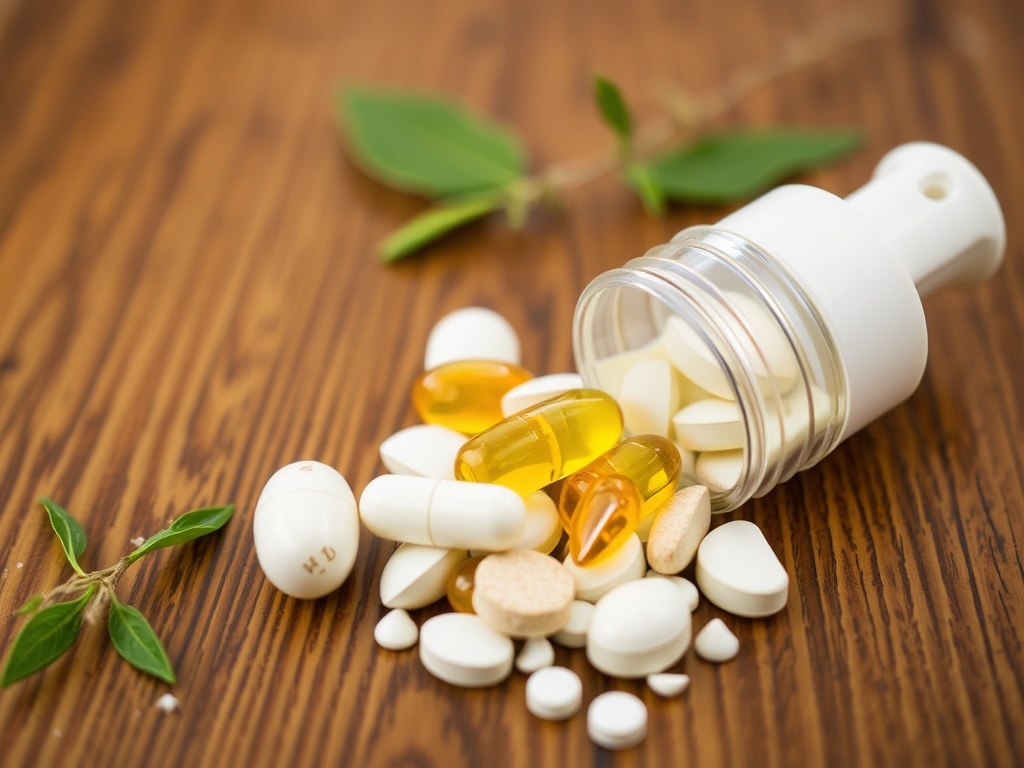
Natural nootropics—herbal and plant-based supplements that claim to boost cognitive function—have surged in popularity. But with this rise comes growing concern: Are natural nootropics safe? This comprehensive guide separates myth from reality, explores risks, and provides expert-backed insights to empower your decisions.
Table of Contents
- Understanding Natural Nootropics
- 5 Common Myths About Natural Nootropics Safety
- Regulatory Landscape: How Are Natural Nootropics Controlled?
- Potential Risks and Side Effects of Natural Nootropics
- Case Studies: Real-World Effects
- Expert Opinions: What the Research and Professionals Say
- How to Use Natural Nootropics Safely
- Actionable Takeaways
- FAQs About Natural Nootropics Safety
- Related Resources
Understanding Natural Nootropics
Natural nootropics are substances derived from plants, herbs, and other natural sources thought to support brain health, memory, focus, or mood. Unlike synthetic nootropics, these supplements often include ingredients found in traditional medicine, such as ginkgo biloba, bacopa monnieri, and lion’s mane mushroom.
But does ‘natural’ mean ‘safe’? The answer is more complex than it seems.
5 Common Myths About Natural Nootropics Safety
- Myth 1: If it’s natural, it can’t hurt you.
Reality: Natural compounds can have potent effects and interact with medications or pre-existing conditions. - Myth 2: All nootropic supplements are thoroughly tested before reaching the market.
Reality: Most natural nootropics are regulated as dietary supplements, not drugs, so rigorous testing is not always required. - Myth 3: Nootropics are non-addictive.
Reality: While many natural nootropics have low addiction risk, some (like caffeine) can cause dependence or withdrawal. - Myth 4: More is always better.
Reality: Increasing your dose can heighten risks without improving benefits. - Myth 5: Nootropic blends are always safe.
Reality: Combination formulas can lead to unexpected interactions and side effects.
Regulatory Landscape: How Are Natural Nootropics Controlled?
The regulation of natural nootropics varies by country:
- United States: Natural nootropics are typically classified as dietary supplements by the FDA, which means pre-market safety and efficacy studies are not mandatory. Manufacturers are responsible for ensuring their products are safe, but oversight is limited compared to pharmaceuticals.
- European Union: The European Food Safety Authority (EFSA) evaluates health claims for supplements, but enforcement varies across member states.
- Asia: Regulations in countries like Japan and China are evolving, with some ingredients approved as functional foods but others facing restrictions.
This patchwork regulatory landscape can make it difficult for consumers to assess product quality and safety. For a detailed breakdown, see our Nootropics Regulation Guide.
Potential Risks and Side Effects of Natural Nootropics
Many natural nootropics are generally well-tolerated, but risks remain. The most common side effects include:
- Digestive issues: Nausea, diarrhea, or stomach discomfort (e.g., bacopa monnieri, rhodiola rosea).
- Sleep disturbances: Some adaptogens or stimulants (like caffeine) can disrupt sleep cycles.
- Allergic reactions: Herbal supplements can cause rashes, itching, or more severe responses in sensitive individuals.
- Drug interactions: Ginkgo biloba, for example, can interact with blood thinners and increase bleeding risk.
- Liver toxicity: Rare, but documented with certain herbs like kava kava.
It’s crucial to consult your healthcare provider before starting any new supplement, especially if you’re taking medications or have pre-existing health concerns.
Case Studies: Real-World Effects
Case Study 1: Bacopa Monnieri and Memory Enhancement
A 2016 double-blind, placebo-controlled study found that bacopa monnieri improved memory recall in healthy adults. However, 13% of participants reported mild digestive discomfort, highlighting the importance of starting with low doses.
Case Study 2: Ginkgo Biloba and Blood Thinners
In a 2018 clinical report, a patient taking ginkgo biloba alongside warfarin experienced increased bleeding. The interaction was traced to ginkgo’s antiplatelet effects, reinforcing the need for medical guidance.
Case Study 3: Adaptogenic Blends and Anxiety
Anecdotal reports and small studies suggest that combining adaptogens like ashwagandha and rhodiola can lower stress, but some users have experienced heightened anxiety or insomnia at higher doses or with pre-existing sensitivity.
Expert Opinions: What the Research and Professionals Say
Leading neuroscientists and herbalists agree: While natural nootropics show promise, the evidence base varies widely by ingredient. For example:
- Dr. Andrew Huberman (Neuroscientist): Recommends using only evidence-based nootropics with a strong safety profile, and cautions against overuse or self-experimentation without supervision.
- Dr. Tieraona Low Dog (Integrative Medicine Expert): Encourages starting with single-ingredient supplements to monitor effects, and prioritizing reputable brands.
- Recent Reviews (2022-2024): Meta-analyses show that while natural nootropics are safer than many synthetic alternatives, side effects and interactions are not uncommon, particularly in vulnerable populations.
For more expert insights, visit our Nootropics Expert Opinions page.
How to Use Natural Nootropics Safely
- Research the ingredient: Look for clinical studies supporting both efficacy and safety.
- Check for third-party testing: Choose brands with transparent sourcing and independent lab results.
- Start low, go slow: Begin with the smallest effective dose and gradually increase only if necessary.
- Monitor for side effects: Keep a journal of any changes in mood, sleep, or digestion.
- Consult your healthcare provider: Especially if you’re taking prescription medications, are pregnant, or have chronic health conditions.
Actionable Takeaways
- Not all natural nootropics are equally safe—do your research on each ingredient.
- Check for possible drug interactions before use.
- Prioritize products with reputable quality certifications.
- Monitor your body’s response and adjust accordingly.
- Consult a healthcare professional for personalized advice.
FAQs About Natural Nootropics Safety
- Are nootropics safe for long-term use?
- Most studies on natural nootropics are short-term. Long-term safety data is limited, so periodic breaks and ongoing monitoring are recommended.
- Can natural nootropics be taken with prescription medication?
- Some can interact dangerously with common medications. Always check with your doctor before combining supplements and prescriptions.
- Are nootropic supplement risks greater for certain groups?
- Yes, risks are higher for pregnant women, children, the elderly, and those with chronic illnesses.
Related Resources
- Nootropics vs. Smart Drugs: Key Differences
- Beginner’s Guide to Nootropics
- Nootropics Side Effects: What You Need to Know
In summary: While natural nootropics offer exciting potential for cognitive enhancement, their safety is not guaranteed. Stay informed, consult professionals, and always prioritize quality and transparency.