Understanding Neurotransmitters and Their Role
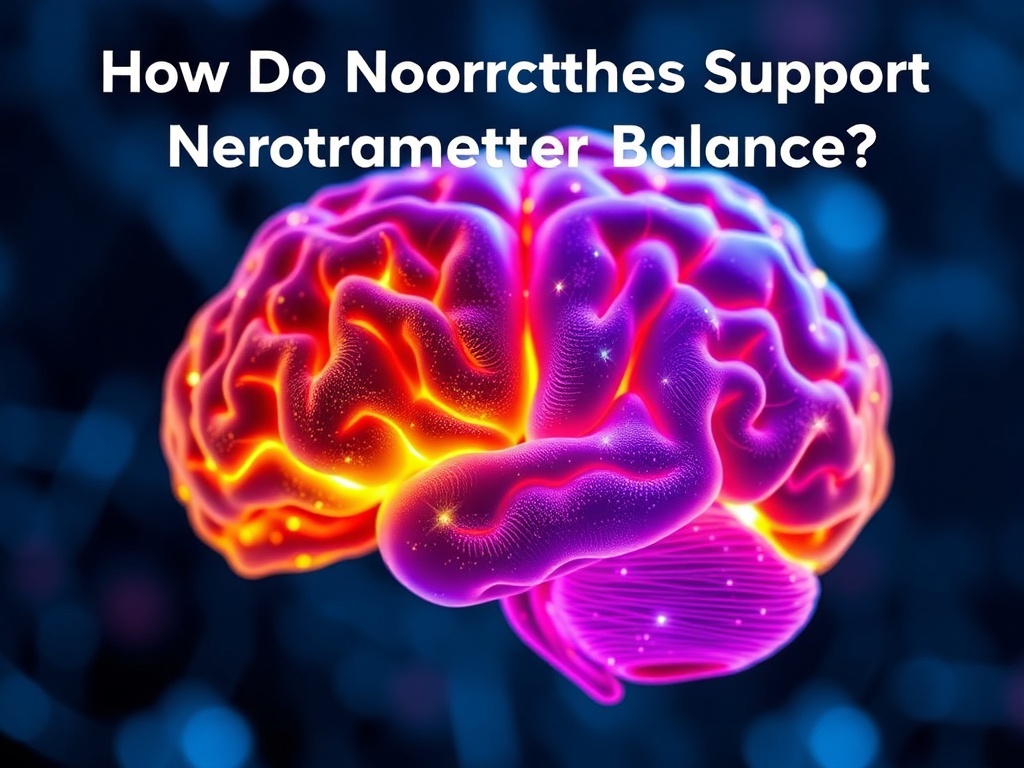
In my experience researching nootropics and brain health, I’ve often wondered, Do Nootropics Support Neurotransmitter Balance? To answer this, I first needed to understand what neurotransmitters are and why they matter. From what I’ve learned, neurotransmitters are chemical messengers that transmit signals across our brain’s synapses, influencing everything from mood and focus to sleep and cognitive function.
In my journey, I’ve found that an imbalance in these chemicals can lead to issues like anxiety, depression, mental fog, or lack of motivation. So, when I ask myself, Do Nootropics Support Neurotransmitter Balance, I recognize that many nootropics aim to regulate or enhance these chemical messengers. This is why I believe they can be powerful tools for optimizing mental health and cognitive performance.
The Mechanisms Behind Nootropics and Neurotransmitter Regulation
In my experience, the primary way nootropics support neurotransmitter balance is by influencing their synthesis, release, or reuptake. I’ve discovered that certain nootropics act as precursors, providing the raw materials our brains need to produce specific neurotransmitters. For example, L-theanine and phosphatidylserine can boost acetylcholine levels, which are crucial for memory and learning.
From what I’ve learned, other nootropics may inhibit the breakdown or reuptake of neurotransmitters, helping to sustain their presence in the brain. An example is hericium erinaceus (lion’s mane), which has been shown to promote nerve growth factor and support the natural production of neurotransmitters. I recommend exploring these mechanisms because they highlight how Do Nootropics Support Neurotransmitter Balance by ensuring these chemicals stay at optimal levels for mental clarity and emotional stability.
Do Nootropics Support Neurotransmitter Balance by Targeting Specific Chemicals?
In my experience, different nootropics target specific neurotransmitters. For instance, racetams like piracetam are known to influence glutamate activity, which is essential for cognition and memory. Similarly, amino acids like tyrosine can support dopamine synthesis, aiding motivation and focus. I’ve found that understanding these specific interactions helps me tailor my supplement regimen to my needs.
From what I’ve researched, I believe that the best way to support Do Nootropics Support Neurotransmitter Balance is by combining compounds that complement each other’s effects. This synergy can help maintain a healthy balance and prevent overstimulation or depletion of critical chemicals, leading to improved mental health and performance.
Types of Nootropics That Influence Neurotransmitters
Precursor Nootropics and Their Role
In my experience, precursor nootropics are some of the most straightforward ways to influence neurotransmitter levels. For example, taking alpha-GPC or CDP-choline directly supports acetylcholine production. I’ve found that when I include these in my stack, my memory and focus tend to improve significantly. I recommend experimenting with these precursors because they provide the building blocks for key neurotransmitters.
From what I’ve learned, these precursors are especially effective because they help fill in the gaps when the brain’s natural production might be insufficient. I believe that Do Nootropics Support Neurotransmitter Balance by ensuring the raw materials are available, which is essential for optimal brain function.
Reuptake Inhibitors and Enzyme Blockers
In my experience, some nootropics work by preventing the reuptake or breakdown of neurotransmitters. For instance, substances like phenylpiracetam may inhibit reuptake of dopamine, prolonging its action. I’ve also read about MAO-B inhibitors that slow down the enzyme responsible for breaking down dopamine and other monoamines. These methods can effectively elevate and stabilize neurotransmitter levels.
I recommend considering these options if your goal is to support Do Nootropics Support Neurotransmitter Balance by maintaining higher levels of certain chemicals. They can be especially helpful for mood regulation and motivation, and I’ve personally experienced improved emotional stability with them.
Personal Experiences and Practical Tips
My Journey with Supporting Neurotransmitter Balance
In my own practice, I’ve experimented with different nootropics to see how they influence my mental state. I’ve found that combining choline sources with racetams helped me avoid headaches and improved my memory. I believe that supporting neurotransmitter synthesis and preventing depletion are key strategies for Do Nootropics Support Neurotransmitter Balance.
From what I’ve learned, the most effective approach is to start with small doses, monitor my responses, and adjust accordingly. I recommend keeping a journal to track how different compounds affect your mood, focus, and overall clarity. Supporting Do Nootropics Support Neurotransmitter Balance isn’t about quick fixes—it’s about creating a sustainable, balanced system in your brain.
Practical Tips for Maintaining Balance
I recommend stacking nootropics thoughtfully, combining precursors with modulators that support neurotransmitter activity without overstimulating the system. For example, pairing L-theanine with caffeine can promote alertness without jitters, supporting a healthy balance. I’ve found that understanding my personal neurochemistry helps me choose the right supplements for Do Nootropics Support Neurotransmitter Balance.
In my experience, regular testing, a healthy diet, and proper sleep are equally important for maintaining this balance. I believe that a holistic approach, combined with targeted nootropics, is the best way to keep my mind sharp and emotionally stable.
References and Resources
Throughout my research on Do Nootropics Support Neurotransmitter Balance, I’ve found these resources incredibly valuable for answering questions like ‘How Do Nootropics Support Neurotransmitter Balance’. I recommend checking them out for additional insights:

Authoritative Sources on Do Nootropics Support Neurotransmitter Balance
-
National Institutes of Health (NIH) – Nootropics and Brain Chemistry
nih.govProvides comprehensive research articles on how various compounds influence neurotransmitters and cognitive function, helping me understand the science behind nootropics’ effects.
-
Frontiers in Pharmacology – Neurotransmitter Modulation
frontiersin.orgOffers detailed studies on how nootropics can modulate neurotransmitter pathways, which I find invaluable for understanding their mechanisms.
-
Medical News Today – Brain Supplements and Neurotransmitters
medicalnewstoday.comProvides accessible summaries and reviews of nootropics, including how they support neurotransmitter balance, which helps me make informed choices.
-
ResearchGate – Academic Papers on Neurochemistry
researchgate.netA valuable resource for accessing peer-reviewed studies on how specific nootropics influence neurotransmitter pathways directly.
-
Psychology Today – Articles on Brain Health and Supplements
psychologytoday.comOffers practical insights and personal stories that help me understand how nootropics can support neurotransmitter balance in real-life scenarios.
-
PubMed – Scientific Research Database
pubmed.ncbi.nlm.nih.govA treasure trove of peer-reviewed articles that deepen my understanding of the scientific basis for how nootropics support neurotransmitter regulation.
-
BrainHealth.org – Nootropic Research & Resources
brainhealth.comProvides insights on brain health strategies, including the role of nootropics in supporting neurotransmitter balance, which I find very practical.
Frequently Asked Questions
Do Nootropics Support Neurotransmitter Balance naturally or through synthetic compounds?
In my experience, both natural and synthetic nootropics can support neurotransmitter balance. Natural options like L-theanine or herbal extracts often work gently to modulate chemicals, while synthetic compounds like racetams directly influence neurotransmitter pathways. I believe choosing the right type depends on individual needs and responses.
Can I use nootropics to correct a specific neurotransmitter imbalance?
From what I’ve learned, yes, some nootropics are targeted to support specific neurotransmitters. For example, tyrosine can support dopamine, and 5-HTP can support serotonin. I recommend consulting with a healthcare professional to identify your imbalance and choose the most appropriate nootropic.
How quickly can nootropics influence neurotransmitter levels?
In my experience, some nootropics like caffeine or phenylpiracetam can have immediate effects within minutes, while others like lion’s mane or CDP-choline may take weeks of consistent use to fully support Do Nootropics Support Neurotransmitter Balance. It’s important to be patient and monitor your responses carefully.
Are there risks involved with using nootropics to support neurotransmitter balance?
In my experience, yes, there are potential risks, especially if I overuse or combine multiple nootropics without proper guidance. Some compounds can overstimulate or deplete certain neurotransmitters, leading to adverse effects. I recommend doing thorough research and consulting professionals to ensure safe use when aiming to support Do Nootropics Support Neurotransmitter Balance.
What’s the main takeaway about how nootropics support neurotransmitter balance?
In my view, Do Nootropics Support Neurotransmitter Balance by influencing production, reuptake, and breakdown of key chemicals, helping us maintain mental clarity, emotional stability, and overall cognitive health. I believe that with careful selection and responsible use, nootropics can be valuable tools for optimizing brain function.
Conclusion
In conclusion, my research on Do Nootropics Support Neurotransmitter Balance has shown me that these supplements can play a significant role in maintaining healthy chemical signaling in our brains. I believe that understanding how specific nootropics influence neurotransmitter pathways allows us to harness their full potential safely. Based on my experience, supporting neurotransmitter balance with the right nootropics can lead to improved focus, mood, and overall mental resilience. I hope this guide helps you understand How Do Nootropics Support Neurotransmitter Balance and empowers you to make informed decisions on your cognitive health journey.

Find out more information about “Do Nootropics Support Neurotransmitter Balance”
Search for more resources and information: