Ginkgo Biloba, a centuries-old herbal remedy, has captured the attention of those seeking sharper focus and improved mental clarity. But does Ginkgo truly live up to its reputation? In this comprehensive review, we’ll analyze the scientific evidence, discuss optimal forms and dosing, share practical examples, and offer actionable strategies for using Ginkgo Biloba for focus and attention.
What is Ginkgo Biloba?
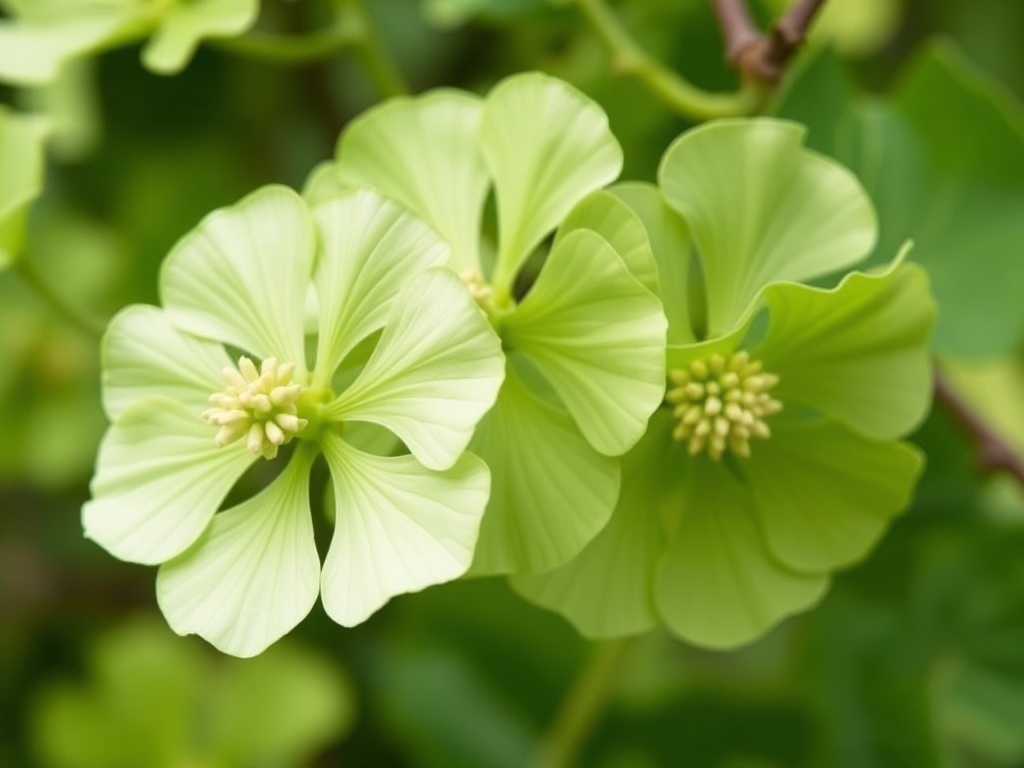
Ginkgo Biloba is an ancient tree native to China, revered for its resilience and medicinal properties. The leaves and seeds have been used in traditional medicine for thousands of years, but contemporary supplements typically use standardized leaf extracts. Ginkgo’s active compounds, including flavonoids and terpenoids, are believed to confer antioxidant and neuroprotective benefits.
How Ginkgo Biloba May Influence Mental Clarity
Interest in Ginkgo Biloba for focus and cognitive enhancement stems from its purported ability to:
- Improve cerebral blood flow
- Protect neurons from oxidative stress
- Modulate neurotransmitter activity
These mechanisms are thought to contribute to enhanced mental clarity, attention, and memory. But what does the research say?
Scientific Evidence: Ginkgo Biloba and Cognitive Function
Clinical Trials and Meta-Analyses
Over the past two decades, numerous studies have assessed Ginkgo Biloba’s impact on cognitive performance. Let’s break down the findings:
- Attention and Focus: Some randomized controlled trials suggest Ginkgo supplementation can modestly enhance attention and mental processing speed, especially in older adults or those with mild cognitive impairment. For example, a 2016 meta-analysis published in Psychopharmacology found small but statistically significant improvements in attention among adults taking standardized Ginkgo extracts.
- Memory and Mental Clarity: Evidence is mixed, but some studies report improved working memory and subjective clarity, while others show no significant benefit over placebo. The variation may relate to dosage, extract quality, and participant health status.
- Long-term Cognitive Health: Ginkgo is best studied in the context of age-related cognitive decline. Some research, such as the Ginkgo Evaluation of Memory (GEM) study, found no significant reduction in dementia risk, but secondary analyses suggest possible benefits for day-to-day cognitive performance.
Case Study: Ginkgo Biloba in Academic Settings
Consider the case of university students during exam periods. In a small, double-blind study, participants who took 120 mg of Ginkgo Biloba extract daily for six weeks reported improved concentration and reduced mental fatigue compared to placebo. While promising, these results need replication in larger trials.
Ideal Forms and Dosages of Ginkgo Biloba
For those interested in using Ginkgo for attention and mental clarity, form and dosage matter:
- Standardized Extracts: Look for products standardized to 24% flavone glycosides and 6% terpene lactones—the formulation used in most clinical trials.
- Dosage: Typical effective doses range from 120 to 240 mg per day, split into two or three servings. Starting with a lower dose and gradually increasing is advisable, especially for sensitive individuals.
- Forms: Ginkgo is available as capsules, tablets, liquid extracts, and teas. Capsules and tablets of standardized extracts offer the most reliable dosing.
Always consult your healthcare provider before starting any supplement, particularly if you take medications or have underlying health conditions.
Best Practices for Using Ginkgo Biloba
- Consistency: Ginkgo’s benefits accrue over time; daily use for at least 4–6 weeks is typically necessary before assessing effects.
- Pair with Healthy Habits: Combine Ginkgo with brain-healthy practices—like regular exercise, adequate sleep, and a nutrient-rich diet—for optimal results. See our guide on brain health tips.
- Monitor Effects: Track your focus, memory, and overall mental clarity in a journal to objectively assess changes.
- Be Mindful of Interactions: Ginkgo can interact with blood thinners and some antidepressants. Review our article on Ginkgo Biloba safety for details.
Potential Side Effects and Precautions
Ginkgo is generally well-tolerated, but some users may experience:
- Headaches
- Digestive upset
- Allergic skin reactions
- Increased risk of bleeding (rare, but notable if combined with anticoagulant medications)
Always source Ginkgo Biloba from reputable brands to minimize the risk of contamination or adulteration. For more on choosing quality supplements, check out our Ginkgo Biloba review.
Practical Examples: Who Might Benefit from Ginkgo?
- Students: Those facing heavy study loads or exam stress may use Ginkgo as part of a cognitive support regimen.
- Professionals: Individuals seeking sharper workplace focus report subjective improvement with Ginkgo supplementation.
- Older Adults: Some older adults use Ginkgo to maintain mental clarity and combat mild forgetfulness.
It’s important to note that individual responses vary, and Ginkgo is not a cure-all for cognitive issues.
Comparing Ginkgo Biloba to Other Cognitive Enhancers
How does Ginkgo stack up against other nootropics? Unlike caffeine or prescription stimulants, Ginkgo’s effects are subtle and best-suited for long-term cognitive support rather than immediate mental boosts. Combining Ginkgo with other evidence-based approaches—such as omega-3 supplementation or mindfulness practices—can further enhance mental clarity.
Actionable Takeaways
- Choose a high-quality, standardized Ginkgo Biloba extract for best results.
- Follow evidence-based dosing (120–240 mg per day), and use consistently for at least a month.
- Combine Ginkgo with healthy lifestyle habits for synergistic cognitive benefits.
- Monitor your progress and consult a healthcare professional before starting any new supplement.
- Read our in-depth Ginkgo Biloba review for brand recommendations and user experiences.
Conclusion: Is Ginkgo Biloba Right for You?
While Ginkgo Biloba is not a magic bullet, evidence suggests it offers subtle benefits for focus and mental clarity, particularly for older adults or those under cognitive strain. Its safety profile is favorable for most healthy individuals, but always consult your healthcare provider before use. For more guidance on optimizing mental performance, explore our related articles on Ginkgo Biloba safety and brain health tips.