Lion’s Mane mushroom (Hericium erinaceus) has rapidly gained prominence as a natural nootropic, celebrated for its potential to enhance brain health, support neurogenesis, and sharpen concentration. This article delves into the fascinating science behind Lion’s Mane, explores the latest research, provides practical guidance for use, and offers actionable insights for anyone seeking cognitive enhancement through natural means.
What is Lion’s Mane Mushroom?
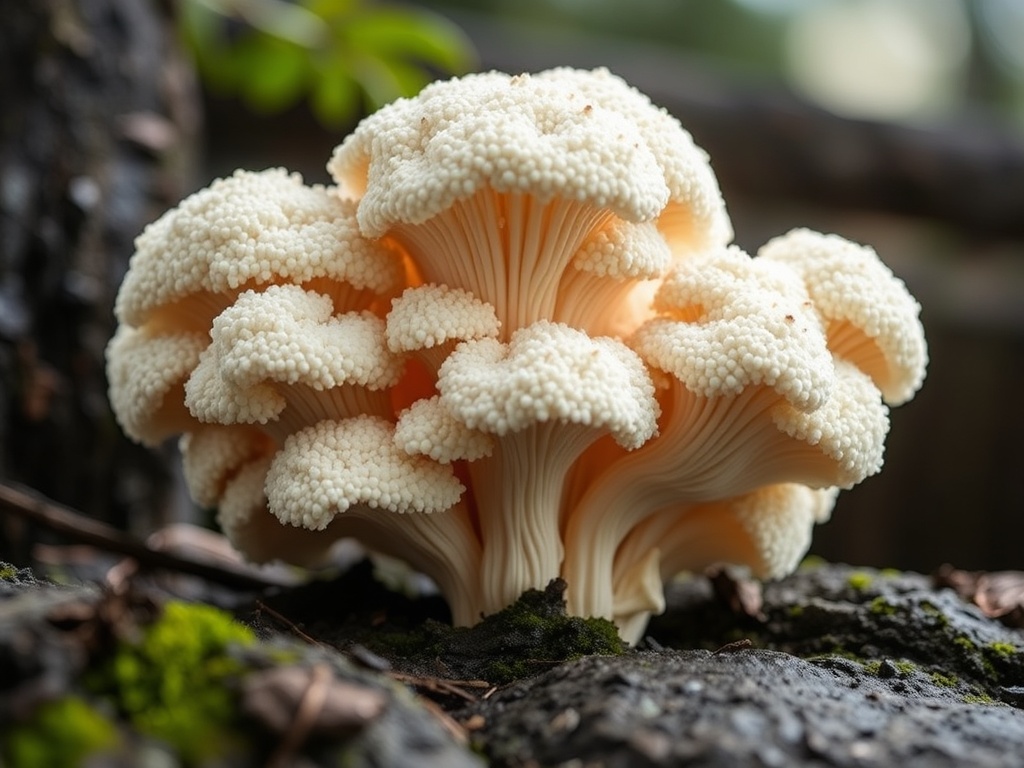
Lion’s Mane is a unique, shaggy-looking medicinal mushroom traditionally used in East Asian medicine. Beyond its culinary appeal, modern science has uncovered its rich profile of bioactive compounds, particularly hericenones and erinacines, which are believed to drive its nootropic effects.
Traditional Uses and Modern Rediscovery
Historically, Lion’s Mane has been used to support digestive health, boost the immune system, and promote longevity. Its modern resurgence is largely due to emerging evidence of its profound impact on cognitive functions and brain resilience.
Understanding Neurogenesis: The Brain’s Ability to Renew
Neurogenesis refers to the process by which new neurons are formed in the brain. This process is crucial for learning, memory, and overall cognitive vitality. While neurogenesis naturally declines with age or stress, certain nutrients and lifestyle interventions—such as those provided by Lion’s Mane supplements—may stimulate it.
How Lion’s Mane Supports Neurogenesis
- Hericenones and Erinacines: These unique compounds found in Lion’s Mane mushroom have been shown to stimulate the production of nerve growth factor (NGF), a protein vital for the growth, maintenance, and survival of neurons.
- Brain-Derived Neurotrophic Factor (BDNF): Studies suggest Lion’s Mane may also upregulate BDNF, another protein essential for brain plasticity and neurogenesis.
Key Study Highlight
A 2013 study published in the International Journal of Medicinal Mushrooms found that Lion’s Mane supplementation increased NGF expression and improved neuronal health in animal models. These findings have catalyzed further research in human cognition.
Enhancing Focus and Cognitive Performance with Lion’s Mane
Focus and concentration are foundational to productivity, learning, and daily performance. Lion’s Mane is increasingly recognized as a premier nootropic—a substance that supports cognitive function—by enhancing focus, clarity, and mental stamina.
Mechanisms of Action: Why Does Lion’s Mane Improve Focus?
- Neuroprotection: Lion’s Mane helps shield neurons from oxidative stress, which is linked to mental fatigue and cognitive decline.
- Improved Neurotransmission: By supporting NGF and BDNF, Lion’s Mane aids in efficient communication between brain cells, resulting in sharper focus and faster information processing.
- Reduced Inflammation: Chronic brain inflammation impairs concentration. Lion’s Mane’s anti-inflammatory properties contribute to a more optimal cognitive environment.
Case Study: Lion’s Mane and Mild Cognitive Impairment
A landmark 2009 clinical trial in Japan investigated the effects of Lion’s Mane supplements in adults with mild cognitive impairment. Participants consuming Lion’s Mane extract for 16 weeks demonstrated significant improvements in cognitive function compared to placebo, with benefits persisting as long as supplementation continued (Mori et al., 2009).
Review of Key Scientific Studies on Lion’s Mane Nootropic Effects
Scientific interest in Lion’s Mane nootropic properties has exploded in recent years. Below is a summary of the most compelling research:
- NGF Synthesis in the Brain: In vitro and animal studies demonstrate that both hericenones and erinacines from Lion’s Mane stimulate NGF synthesis, supporting neural growth and repair (Wong et al., 2021).
- Cognitive Function in Older Adults: Human trials suggest Lion’s Mane supplementation enhances cognitive performance in adults with early-stage memory loss and mild cognitive impairment.
- Neuroprotection and Neuroplasticity: Research shows that Lion’s Mane may protect against neurodegenerative conditions by reducing beta-amyloid plaque formation, commonly associated with Alzheimer’s disease.
- Mood and Mental Clarity: Preliminary studies indicate Lion’s Mane may reduce symptoms of anxiety and depression, which often impair concentration.
How to Use Lion’s Mane Supplements for Focus and Neurogenesis
Integrating Lion’s Mane into your daily routine can be straightforward and rewarding. Here’s how to maximize its benefits:
Choosing the Right Lion’s Mane Supplement
- Extract vs. Powder: Dual-extraction tinctures and hot water extracts offer higher concentrations of active compounds. Powders are convenient for blending into smoothies, coffee, or recipes.
- Quality Matters: Look for supplements that specify the percentage of beta-glucans, hericenones, and erinacines. Opt for brands that use fruiting body rather than mycelium on grain.
- Third-Party Testing: Ensure the supplement is third-party tested for purity and potency.
Recommended Dosage and Timing
While individual needs may vary, most clinical studies use doses ranging from 500 mg to 3,000 mg daily. Start with a lower dose to assess tolerance and gradually increase as needed. For focus and productivity, morning or midday consumption is ideal.
Stacking Lion’s Mane with Other Nootropics
For enhanced effects, Lion’s Mane can be combined with other natural nootropics such as Cordyceps for energy or Reishi for stress support. Always consult your healthcare provider before combining supplements.
Practical Examples: Lion’s Mane in Daily Life
- Students: Use Lion’s Mane capsules during exam season to support memory retention and focus.
- Professionals: Add a scoop of Lion’s Mane powder to your morning coffee for a cognitive edge during meetings and creative work.
- Seniors: Incorporate a daily Lion’s Mane supplement to help maintain cognitive clarity and memory as you age.
Potential Side Effects and Safety Considerations
Lion’s Mane mushroom is generally well tolerated. Mild side effects may include digestive upset or skin rashes, particularly in those with mushroom allergies. As with any supplement, consult a healthcare professional before starting, especially if you are pregnant, nursing, or taking medication.
Actionable Takeaways: Optimizing Brain Health with Lion’s Mane
- Choose high-quality, third-party tested Lion’s Mane supplements that specify active ingredient content.
- Start with 500–1,000 mg per day, monitoring for effects, and adjust dosage as needed.
- Integrate Lion’s Mane into your morning or midday routine for optimal focus.
- Pair Lion’s Mane with other adaptogens and nootropics for synergistic benefits.
- Monitor cognitive changes and consult with a healthcare professional to personalize your regimen.
Conclusion: Unlocking Your Cognitive Potential
Lion’s Mane mushroom stands at the forefront of natural cognitive enhancement, offering robust support for neurogenesis, focus, and overall brain health. As research continues to affirm its nootropic power, Lion’s Mane supplements provide an accessible, evidence-backed tool for optimizing mental performance at any age.
For more in-depth insights on natural nootropics, check out our comprehensive guide to the best nootropics for brain health, or explore our article on Cordyceps for energy and vitality.