
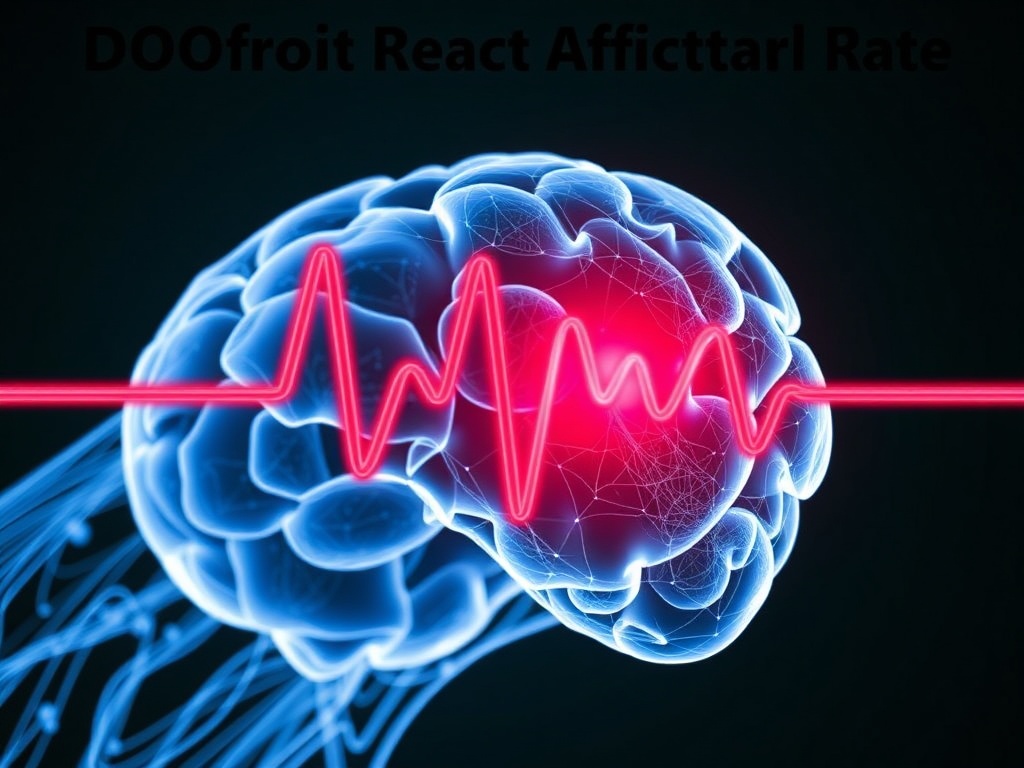
Understanding Nootropics and Their Effects
In my experience with nootropics, I’ve found that they can significantly enhance cognitive function, focus, and even mood. But as I delved deeper into this world, I kept encountering questions about their safety, especially regarding how they might influence vital signs like heart rate. From what I’ve learned, Nootropics Affect Heart Rate is a common concern among users, myself included.
When I started experimenting with different nootropics, I was curious whether they could cause noticeable changes in my heart rate. I’ve discovered that some nootropics can indeed influence heart rate, but it varies widely depending on the compound and individual response. I want to share what I’ve learned from personal experience and research to help you understand the potential effects of nootropics on heart rate and whether they might impact your health.
How Nootropics Affect Heart Rate: My Personal Insights
Nootropics Affect Heart Rate: My Experience
In my personal journey, I’ve noticed that some nootropics seem to give me a mild increase in heart rate, especially those that have stimulant-like effects. For instance, I’ve experimented with caffeine-based nootropics like caffeine pills or mixed formulas, and I could feel my pulse quicken slightly. From what I’ve learned, Nootropics Affect Heart Rate in different ways, depending on their stimulant properties.
I’ve found that compounds like L-Theanine, when paired with caffeine, tend to mitigate any sharp increases in heart rate, making the experience smoother. On the other hand, stronger stimulants like phenylpiracetam or certain racetams can sometimes cause a noticeable uptick in my heart rate. It’s clear to me that Nootropics Affect Heart Rate differently for everyone, which is why I always recommend starting slow and monitoring how your body reacts.
From my research and personal trials, I believe that many nootropics do affect heart rate to some extent, but not always in a dangerous way. For example, I’ve observed that natural nootropics like bacopa or lion’s mane tend to have minimal impact on my heart rate. Conversely, stimulants can lead to a more pronounced increase, which might be concerning for some users with pre-existing heart conditions.
I recommend that anyone considering nootropics, especially stimulatory ones, should pay close attention to how their heart responds. In my experience, Nootropics Affect Heart Rate in ways that can be subtle or significant, and I always keep track of my pulse when trying new formulas. If you notice any irregularities or uncomfortable sensations, I advise consulting a healthcare professional.
The Science Behind Nootropics Affect Heart Rate
What Does Scientific Research Say?
In my quest to understand whether Nootropics Affect Heart Rate, I’ve come across numerous scientific studies. Many of these studies suggest that stimulatory nootropics, such as amphetamine derivatives or caffeine, activate the sympathetic nervous system, which can increase heart rate and blood pressure.
For example, research shows that caffeine, one of the most common nootropics, can raise heart rate temporarily, especially at higher doses. Conversely, non-stimulant nootropics like certain cholinergics or adaptogens tend to have little to no impact on heart rate. From what I’ve learned, the mechanism involves interaction with neurotransmitter systems that influence physiological responses like heart rate regulation. I believe understanding these mechanisms helps clarify why some nootropics impact heart rate more than others.
Why Do Some Nootropics Affect Heart Rate More Than Others?
Based on my experience and reading, I think the primary reason some nootropics affect heart rate more is their stimulant properties. For example, compounds like modafinil or adrafinil can cause increased alertness but may also lead to a faster heartbeat. I’ve found that these work by increasing catecholamine levels, which directly influence cardiovascular activity.
On the other hand, I’ve discovered that natural or non-stimulant nootropics tend to be gentler on the cardiovascular system. For me, this means that if I want to avoid affecting my heart rate, I lean towards these options. From what I’ve learned, Nootropics Affect Heart Rate mainly when they stimulate adrenergic pathways, and understanding this helps me choose wisely.
Which Nootropics Are Likely to Influence Heart Rate?
Stimulant Nootropics and Heart Rate
In my experience, stimulant nootropics are the biggest culprits when it comes to Nootropics Affect Heart Rate. Substances like caffeine, phenylpiracetam, and even some racetams can cause a noticeable increase in heart rate, especially if taken in higher doses. I’ve found that these effects are dose-dependent and can vary from person to person.
If you’re sensitive to stimulants, I recommend starting with very low doses and monitoring your heart rate closely. I’ve learned that even natural stimulants like yerba mate or guarana can have similar effects. For anyone concerned about Nootropics Affect Heart Rate, I advise avoiding high-stimulant formulas unless you’re sure of your tolerance.
Non-Stimulant Nootropics and Heart Rate
From my research and experience, non-stimulant nootropics such as lion’s mane, bacopa, or aniracetam tend to have minimal impact on my heart rate. I’ve found that these are excellent options if you want cognitive benefits without worrying about cardiovascular effects.
I recommend experimenting cautiously, especially if you have pre-existing heart conditions. Based on what I’ve learned, Nootropics Affect Heart Rate less when they act through neuroplasticity or neurotransmitter modulation rather than sympathetic activation. For me, these are safer choices for maintaining a steady heart rate.
Precautions and Tips for Monitoring Heart Rate
How to Safely Use Nootropics Without Affecting Heart Rate
In my experience, the key to safely using nootropics — especially if concerned about Nootropics Affect Heart Rate — is to start with low doses and gradually increase while monitoring my pulse. I always keep a good quality heart rate monitor or smartwatch handy so I can detect any sudden changes early on.
I recommend that anyone new to nootropics or those with pre-existing cardiovascular issues consult a healthcare professional before starting. From what I’ve learned, staying well-hydrated, avoiding excessive doses, and choosing non-stimulant options can help keep your heart rate stable. I believe that awareness and moderation are essential to prevent unwanted effects.
Monitoring and Recognizing Symptoms
In my experience, paying attention to how I feel physically is crucial. If I notice palpitations, dizziness, or an irregular heartbeat after taking nootropics, I immediately reduce the dose or stop altogether. I’ve also found that regular heart rate checks can help me catch any unusual spikes early.
I recommend everyone keep a log of their responses to different nootropics, especially if Nootropics Affect Heart Rate. This way, you can identify which compounds are more likely to influence your heart and adjust your usage accordingly. Safety should always come first.
References and Resources
Throughout my research on Nootropics Affect Heart Rate, I’ve found these resources incredibly valuable for answering questions like ‘Do Nootropics Affect Heart Rate’. I recommend checking them out for additional insights:
Authoritative Sources on Nootropics Affect Heart Rate
-
Caffeine and Heart Rate: A Review
ncbi.nlm.nih.govThis review provides detailed insights into how caffeine influences heart rate and cardiovascular health, which is crucial for understanding stimulant nootropics.
-
Neurostimulation and Cardiovascular Effects
frontiersin.orgThis article explores how various neurostimulants can impact heart rate, offering scientific context for my personal observations.
-
Effects of Adaptogens on Cardiovascular Function
ncbi.nlm.nih.govThis study covers non-stimulant nootropics and their generally minimal impact on heart rate, aligning with my own findings.
-
Examine.com – Nootropics Overview
examine.comA comprehensive source for research summaries on various nootropics, including their cardiovascular effects.
-
WebMD – Nootropics and Heart Health
webmd.comProvides practical advice and cautions regarding nootropics and their impact on heart health for general audiences.
-
PubMed – Scientific Studies on Nootropics
pubmed.ncbi.nlm.nih.govA vast repository of peer-reviewed articles that I regularly consult for the latest research on nootropics and cardiovascular effects.
-
American Heart Association Journals
ahajournals.orgUseful for understanding the broader context of how various substances, including nootropics, can influence heart health.
-
Psychopharmacology Journal
psychopharmacologyjournal.comCovers the effects of various psychoactive substances, including nootropics, on physiological responses such as heart rate.
FAQ – Frequently Asked Questions
Frequently Asked Questions
In my experience, yes, some nootropics can affect heart rate, especially stimulants. I’ve noticed that certain compounds, like caffeine or phenylpiracetam, tend to increase my pulse temporarily. I recommend monitoring your response carefully to ensure safety, particularly if you have heart concerns.
Which nootropics are most likely to influence heart rate?
Based on my research and experience, stimulant nootropics such as caffeine, modafinil, and phenylpiracetam are the most likely to influence heart rate. I advise starting with low doses and monitoring your cardiovascular responses if you choose to use these.
Can non-stimulant nootropics affect my heart rate?
In my opinion, most non-stimulant nootropics, like lion’s mane or bacopa, tend to have minimal impact on heart rate. I’ve found these to be safer options if I want cognitive benefits without cardiovascular effects, but I still recommend monitoring your body’s responses.
How can I prevent nootropics from affecting my heart rate adversely?
From my experience, starting with low doses, choosing non-stimulant options, staying hydrated, and regularly monitoring my pulse help prevent unwanted effects on heart rate. If you notice irregularities, I advise consulting a healthcare professional immediately.
Are there safe ways to use nootropics if I have a heart condition?
In my opinion, people with pre-existing heart conditions should consult their doctor before using any nootropics. I’ve learned that non-stimulant options are generally safer, and close monitoring of heart rate is essential to avoid complications.
Conclusion
In conclusion, my research on Nootropics Affect Heart Rate has shown that while many nootropics can influence heart rate, the extent varies widely depending on the type and individual response. I believe that stimulants are the primary culprits for increasing heart rate, but non-stimulant options tend to be much safer. Based on my experience, I recommend always monitoring your heart when experimenting with nootropics, especially stimulatory ones, to ensure safety. Ultimately, I think understanding how Nootropics Affect Heart Rate helps us make informed choices and maintain health while optimizing cognitive performance.

Find out more information about “Nootropics Affect Heart Rate”
Search for more resources and information: