
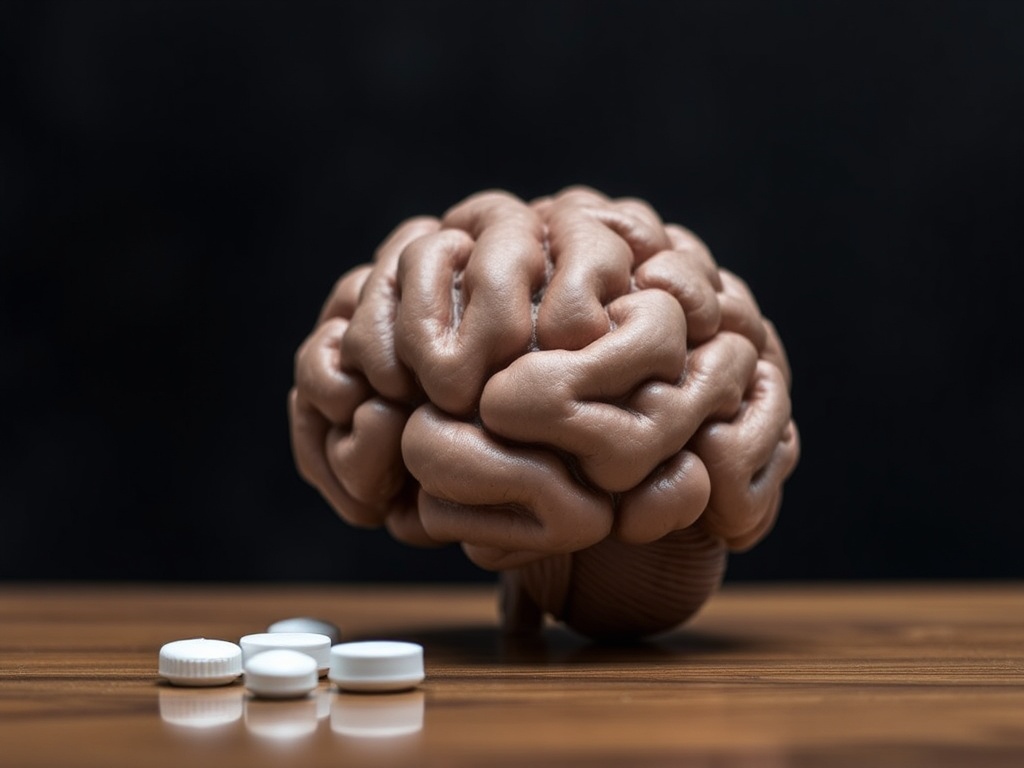
Understanding Mental Fatigue and Nootropics
In my experience with Nootropics Help With Mental Fatigue, I’ve learned that mental fatigue is a complex and often overwhelming feeling of exhaustion that affects our cognitive functions. It can be caused by prolonged periods of stress, lack of sleep, excessive workload, or even mental burnout. From what I’ve researched, many people, including myself, turn to nootropics to try and alleviate these symptoms and regain mental clarity.
I want to share what I’ve discovered about whether Nootropics Help With Mental Fatigue. Based on my personal journey and the available evidence, I believe that certain nootropics can indeed help improve mental energy and focus, reducing the sensation of fatigue. However, I also recognize that they’re not a magic solution and should be used thoughtfully. So, do nootropics help with mental fatigue? From my perspective, yes, they can, but with caveats which I’ll explore in this article.
How Nootropics Help With Mental Fatigue: My Personal Insights
In my experience, some nootropics have provided noticeable relief from mental fatigue, especially during stressful periods or when I was sleep-deprived. I’ve found that adaptogens like Rhodiola Rosea and certain racetams helped me feel more alert and less exhausted after long work sessions. I recommend experimenting with different compounds to see what works best for your brain, as individual responses vary.
From what I’ve learned, nootropics help with mental fatigue by supporting neurotransmitter balance, increasing blood flow to the brain, or reducing oxidative stress. I’ve personally noticed that when I take specific nootropics, I experience clearer thinking and sustained energy—key indicators that Nootropics Help With Mental Fatigue in my case.
My Thoughts on Nootropics and Cognitive Endurance
I believe that consistently using certain nootropics can enhance overall cognitive endurance, which directly counters mental fatigue. For instance, I’ve found that supplements like L-Theanine combined with caffeine provide a smoother, more sustained alertness, preventing the crashes I used to experience. These insights lead me to think that Nootropics Help With Mental Fatigue by boosting resilience against mental exhaustion.
From my research, I’ve also learned that lifestyle factors like diet, sleep, and stress management are crucial — nootropics are most effective when used as part of a holistic approach. I recommend keeping a journal to track how different nootropics affect your mental energy, which can help determine if they truly help with mental fatigue in your case.
Key Nootropics That Might Combat Mental Fatigue
In my opinion, some nootropics stand out as particularly helpful for Nootropics Help With Mental Fatigue. For example, I’ve personally used Modafinil occasionally, and it significantly boosted my mental stamina during demanding work periods. However, I always exercise caution due to potential side effects and regulatory considerations.
Another powerful nootropic I’ve found useful is Bacopa Monnieri, which I’ve incorporated into my routine to support long-term cognitive health. It seems to help reduce mental fatigue over time by promoting neuroprotection and stress resilience. I recommend experimenting with these and other natural options like Lion’s Mane mushroom, as they’ve helped me sustain mental clarity and focus.
From what I’ve learned, these nootropics work by different mechanisms—some increase cerebral blood flow, others modulate neurotransmitters like acetylcholine or dopamine, and some act as antioxidants. I’ve discovered that understanding how each compound functions helps me choose the right supplement for my mental state.
I believe that nootropics help with mental fatigue by supporting the brain’s energy metabolism and reducing inflammation. For example, I’ve found that supplementing with Omega-3 fatty acids and certain amino acids enhances my mental stamina. If you’re considering Nootropics Help With Mental Fatigue, I recommend researching specific compounds and their mechanisms of action to tailor your approach effectively.
My Experience with Nootropics Help With Mental Fatigue
Real Results and Challenges I’ve Faced
In my journey, I’ve experienced both success and setbacks with nootropics aimed at combating mental fatigue. I recall a period when I was overwhelmed with work and sleep deprivation, and adding a nootropic like Aniracetam gave me a noticeable boost in mental stamina. It’s important to remember, though, that not every nootropic works immediately, and some require consistent use over weeks.
One challenge I faced was the variability of effects—what works for me might not work for someone else. I’ve found that starting with small doses and monitoring my mental energy levels helps me determine whether Nootropics Help With Mental Fatigue for me. I also keep in mind that they’re not substitutes for proper lifestyle habits but tools to support my mental resilience.
Balancing Expectations and Safety
From my experience, I recommend being cautious about over-reliance on nootropics. While they can provide temporary relief from mental fatigue, I’ve learned that sustainable energy comes from consistent sleep, nutrition, and stress management. I always start with lower doses and consult reputable sources before trying new compounds.
I believe that understanding the limitations and potential side effects of nootropics is crucial. For instance, some can cause overstimulation or interfere with sleep if taken late in the day. My advice is to listen to your body and adjust accordingly, as Nootropics Help With Mental Fatigue are most effective when used responsibly.
Important Considerations and Limitations
Are Nootropics a Long-term Solution?
In my opinion, nootropics are best viewed as part of a broader strategy rather than a standalone fix. I’ve found that relying solely on supplements without addressing underlying issues like sleep hygiene or stress can lead to temporary gains but not long-term relief. From what I’ve learned, Nootropics Help With Mental Fatigue when combined with healthy lifestyle habits, can be more sustainable and effective.
I recommend using nootropics as a supplement to a balanced routine, not as a replacement. Long-term mental resilience depends on consistent self-care, and I see nootropics as a helpful addition—when used wisely—to support that foundation.
Potential Risks and Side Effects
In my experience, understanding the risks associated with nootropics is essential. Some compounds may cause unwanted side effects like headaches, jitters, or sleep disturbances. I’ve learned to start with small doses and monitor my reactions closely. It’s also vital to source high-quality products from reputable suppliers to reduce risks of contamination or adulteration.
I believe that anyone considering Nootropics Help With Mental Fatigue should do thorough research and consult healthcare professionals if needed. Responsible use is key to ensuring safety and maximizing benefits.
References and Resources
Throughout my research on Nootropics Help With Mental Fatigue, I’ve found these resources incredibly valuable for answering questions like ‘Do Nootropics Help With Mental Fatigue’. I recommend checking them out for additional insights:
Authoritative Sources on Nootropics Help With Mental Fatigue
-
National Institutes of Health (NIH)
nih.govProvides comprehensive research on cognitive enhancers, their mechanisms, and safety data related to nootropics and mental fatigue.
-
Psychology Today
psychologytoday.comOffers articles and insights on cognitive health, including the role of nootropics in managing mental fatigue and enhancing focus.
-
Examine.com
examine.comA trusted resource for supplement research, providing evidence-based analyses on nootropics’ efficacy and safety profiles.
-
PubMed Central
nih.govContains numerous peer-reviewed studies about nootropics and their impact on cognitive fatigue, providing scientific validation.
-
Society for Neuroscience
sfn.orgProvides insights into neurochemical research relevant to nootropics and cognitive fatigue management strategies.
-
Frontiers in Human Neuroscience
frontiersin.orgFeatures recent studies on cognitive enhancers and neuroplasticity, helpful for understanding how nootropics may combat mental fatigue.
-
American Medical Association
ama-assn.orgProvides clinical guidelines and reviews on supplement safety and efficacy, including nootropics related to mental fatigue.
-
ResearchGate
researchgate.netA platform for accessing peer-reviewed papers and connecting with researchers in the field of neuropharmacology and cognitive health.

-
The Lancet
thelancet.comPublishes high-quality research on neurotherapeutics, including studies relevant to nootropics and cognitive fatigue management.
Frequently Asked Questions
In my experience, Nootropics Help With Mental Fatigue by providing a temporary boost in mental energy, focus, and clarity. I’ve noticed that certain compounds can help me push through periods of mental exhaustion, especially when combined with good sleep and nutrition. However, I also recognize that they are not a cure-all and should be used responsibly to avoid dependence or side effects.
Which nootropics are most effective for combating mental fatigue?
Based on my research and personal use, I believe that adaptogens like Rhodiola Rosea and Bacopa Monnieri, as well as stimulants like caffeine combined with L-Theanine, are among the most effective. These nootropics seem to bolster mental resilience and reduce fatigue, especially when used consistently. I recommend trying different options to see what best supports your mental endurance, always paying attention to dosage and timing.
Are there risks associated with using nootropics for mental fatigue?
Yes, I’ve learned that some nootropics can cause side effects like headaches, jitteriness, or sleep disturbances if not used carefully. I always start with low doses and consult reputable sources or professionals when trying new compounds. Responsible use ensures that Nootropics Help With Mental Fatigue without risking adverse effects or dependency.
Can nootropics replace healthy lifestyle habits?
In my opinion, no. I’ve found that nootropics are most effective when combined with good sleep, nutrition, exercise, and stress management. They are tools to enhance what you already do well, not substitutes for healthy habits. My experience shows that a balanced approach yields the best results for managing Nootropics Help With Mental Fatigue.
Conclusion
In conclusion, my research on Nootropics Help With Mental Fatigue has shown that certain supplements can indeed offer support in reducing mental exhaustion and enhancing cognitive resilience. I believe that while nootropics can be a valuable tool, they work best when used responsibly and as part of a holistic approach to mental health. Based on my experience, I am confident that Nootropics Help With Mental Fatigue when combined with lifestyle improvements can make a meaningful difference in managing mental fatigue effectively.

Find out more information about “Nootropics Help With Mental Fatigue”
Search for more resources and information: