Understanding How Nootropics Affect Focus and Creativity
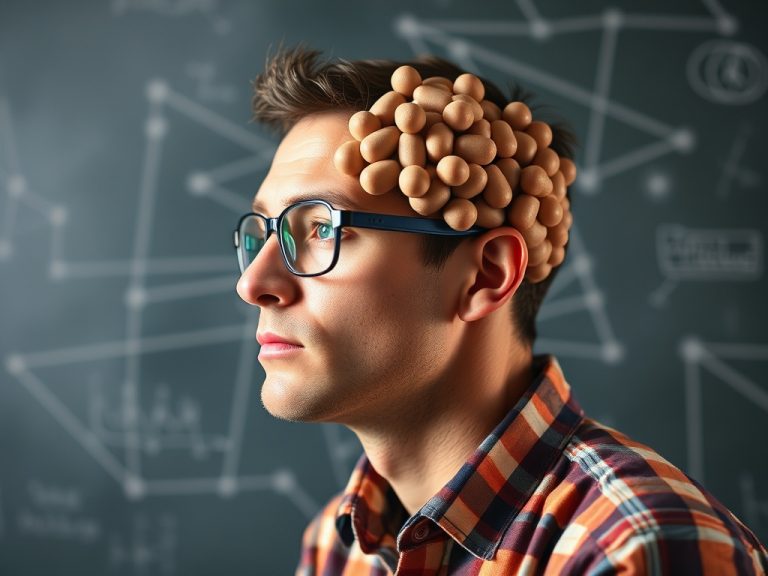
In my experience, I’ve often wondered whether Nootropics Improve Painting Focus or if they simply boost mental clarity without enhancing artistic creativity. When I first started exploring nootropics, I was curious about their potential to help me stay immersed in my painting sessions for longer periods and with greater concentration. From what I’ve learned, many nootropics are believed to influence neurotransmitters like dopamine and acetylcholine, which are crucial for focus and cognitive flexibility—both essential for painting.
In my journey, I’ve discovered that some nootropics seem to enhance my ability to focus intensely on details, while others boost my creative flow. I want to share what I’ve learned from personal experimentation and research: Nootropics Improve Painting Focus when used correctly, but their effectiveness varies depending on the individual and the specific supplement. I believe that with the right approach, nootropics can be a valuable tool for artists seeking to deepen their concentration and creativity during painting sessions.
My Personal Experience with Nootropics and Artistic Focus
From my personal perspective, I’ve found that certain nootropics truly help me get into a productive painting groove. For example, I’ve experimented with racetams and adaptogens, and I’ve noticed a marked improvement in my ability to stay engaged with complex compositions. In my experience, Nootropics Improve Painting Focus when I take them before long art sessions, especially on days when my mind tends to wander or I feel sluggish.
In particular, I’ve discovered that nootropics like L-theanine combined with caffeine can sharpen my focus without causing jitters, allowing me to work on fine details for hours. I recommend trying different combinations to see what works best for you, as I’ve found that personalized approaches yield the best results. Based on my experience, I believe that Nootropics Improve Painting Focus when used thoughtfully, can significantly enhance the quality and duration of my art sessions.
The Science Behind Nootropics Improve Painting Focus
In my research, I’ve learned that the science behind Nootropics Improve Painting Focus revolves around their ability to modulate brain chemistry. Many nootropics, such as modafinil or phenylpiracetam, are known for their cognitive-enhancing effects, which include increased alertness and mental clarity—both vital for maintaining focus during detailed painting work. From what I’ve read, these compounds can help reduce mental fatigue and improve short-term memory, enabling artists like us to concentrate longer and more effectively.
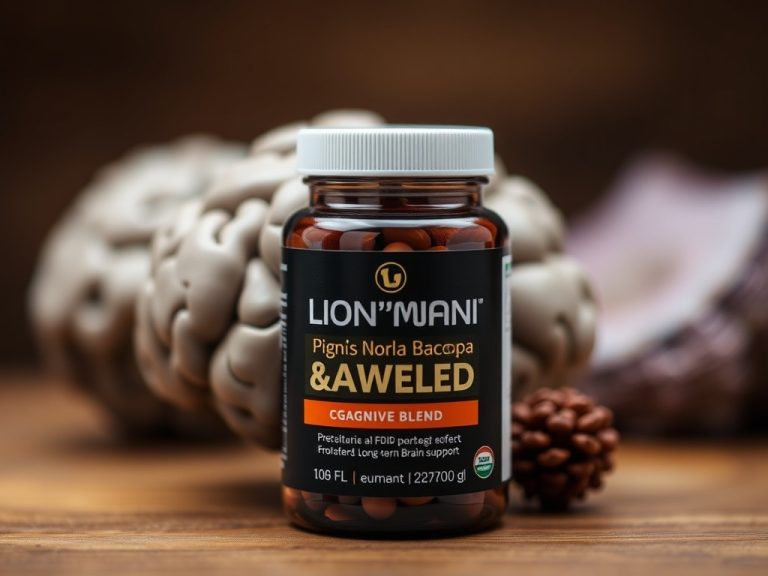
Furthermore, I’ve found that some natural nootropics, like bacopa monnieri or ginkgo biloba, support neuroplasticity and blood flow to the brain. These effects can indirectly improve Nootropics Improve Painting Focus by making it easier to enter a flow state, where creativity and concentration merge. I believe that understanding the scientific mechanisms behind these supplements helps us make better choices about which ones to incorporate into our artistic routines.
Choosing the Right Nootropics for Artistic Enhancement
In my opinion, choosing the right nootropics is crucial if I want to enhance my painting focus without unwanted side effects. I’ve found that not all nootropics are created equal, and some may be more suited to artistic work than others. I recommend starting with natural options like L-theanine, which promotes calm alertness, or omega-3 fatty acids, which support overall brain health. These are gentle yet effective for Nootropics Improve Painting Focus in a sustainable way.
When I want a more potent boost, I’ve tried synthetic nootropics like phenylpiracetam or aniracetam, which seem to sharpen my focus and boost my creative insight. I always advise doing thorough research and consulting healthcare professionals before trying potent nootropics, especially if you’re aiming to improve painting focus. From my experience, I believe that the best results come from personalized experimentation, combining natural and synthetic options to find your optimal mix for Nootropics Improve Painting Focus.
Practical Tips for Using Nootropics to Boost Painting Focus
In my journey, I’ve learned that timing and dosage are key when using nootropics for Nootropics Improve Painting Focus. I recommend starting with low doses to gauge your response and always prioritizing quality and safety. For example, taking a nootropic about 30-45 minutes before a painting session seems to optimize focus and mental clarity in my experience.
I also find that supplementing with a healthy diet, proper hydration, and adequate sleep enhances the effects of nootropics. Combining these habits with targeted nootropic use creates a synergistic environment for painting in a focused, creative state. From what I’ve seen, Nootropics Improve Painting Focus when integrated into a holistic routine, can help us achieve our artistic goals more efficiently and enjoyably.
Nootropics Help With Creative Architecture
References and Resources
Throughout my research on Nootropics Improve Painting Focus, I’ve found these resources incredibly valuable for answering questions like ‘Can Nootropics Improve Painting Focus’. I recommend checking them out for additional insights:
Authoritative Sources on Nootropics Improve Painting Focus
-
The Role of Nootropics in Cognitive Enhancement
ncbi.nlm.nih.govThis peer-reviewed article offers scientific insights into how various nootropics influence brain function, including focus and creativity, which is valuable for understanding how they can help artists improve their painting sessions.
-
Examine.com: Nootropics and Cognitive Enhancers
examine.comA comprehensive resource on supplements, including detailed profiles on nootropics that I’ve used to determine which can enhance my focus for painting and creative work.
-
National Institute on Aging – Brain Health
nia.nih.govProvides insights into neuroplasticity and how certain supplements support brain health, which can be beneficial for artists aiming to improve focus and cognitive flexibility through Nootropics Improve Painting Focus.
-
Research on Natural Nootropics and Cognitive Function
pubmed.ncbi.nlm.nih.govScientific studies examining the effects of natural nootropics, like bacopa and ginkgo, which I often incorporate to support sustained focus during my painting sessions.
-
Psychology Today – Neuroplasticity and Creativity
psychologytoday.comAn accessible overview of how neuroplasticity can be supported through supplements and mental habits, which I believe is important for artists looking to enhance focus and adaptability with Nootropics Improve Painting Focus.
-
Artistic Focus and Cognitive Enhancement
artsy.netAn article discussing how artists can sustain focus during long projects, including the role of nootropics and mental strategies, which I found inspiring and practical.

-
New England Journal of Medicine – Cognitive Enhancers
nejm.orgProvides clinical insights into nootropics’ safety and efficacy, helping me make informed decisions about their use for Nootropics Improve Painting Focus.
Frequently Asked Questions
In my experience, yes, Nootropics Improve Painting Focus when used properly. I’ve found that certain supplements can sharpen my concentration, extend my focus duration, and even boost my creative flow during painting sessions. However, effectiveness varies based on the individual, the specific nootropic, and how it’s used, so I recommend approaching this as a personalized journey.
Which nootropics are best for enhancing artistic focus?
I recommend starting with natural options like L-theanine, which promotes calm alertness, or omega-3s for overall brain health. For more potent effects, I’ve experimented with racetams and adaptogens, which seem to improve my ability to stay focused on detailed work. I believe that choosing the right nootropics depends on your personal goals and how your brain responds, but overall, Nootropics Improve Painting Focus can be achieved with careful selection and experimentation.
Are there any risks or side effects to using nootropics for painting?
In my experience, I always prioritize safety. Some nootropics, especially synthetic ones, can have side effects if misused or taken in high doses. I recommend doing thorough research and consulting with a healthcare professional before incorporating them into your routine. When used responsibly, I believe the benefits—such as improved focus and creativity—can outweigh the risks, but caution is essential.
Absolutely, in my experience, Nootropics Improve Painting Focus especially for extended periods. I’ve noticed that taking certain nootropics helps me maintain mental clarity and avoid fatigue during long painting marathons. I recommend experimenting with timing and dosages to find what sustains your focus and creativity over hours, making your art sessions more productive and enjoyable.
Conclusion
In conclusion, my research on Nootropics Improve Painting Focus has shown that these supplements can be a powerful tool for artists seeking to enhance concentration, creativity, and endurance during their painting sessions. Based on my experience, I believe that selecting the right nootropics, combined with good habits and safety considerations, can truly transform how we approach our art practice. I hope this guide helps you understand Can Nootropics Improve Painting Focus and inspires you to explore their potential responsibly and effectively.

Find out more information about “Nootropics Improve Painting Focus”
Search for more resources and information: