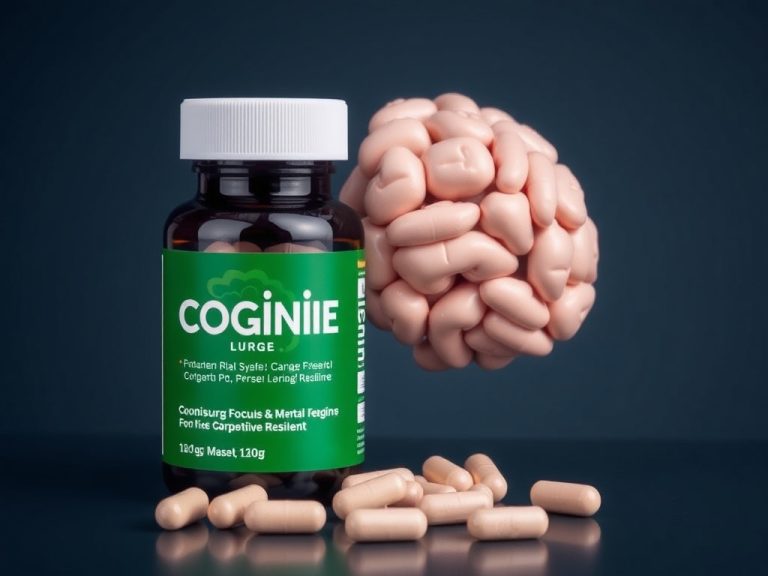

In my experience researching Nootropics Increase Creativity, I’ve often wondered whether these cognitive enhancers truly spark creative thinking or if they just improve focus and memory. From what I’ve learned, the question of whether nootropics increase creativity is complex because creativity itself is multi-faceted—ranging from idea generation to problem-solving and artistic expression. I want to share what I’ve personally discovered: some nootropics seem to support creative processes, while others may mainly enhance mental clarity.
In my opinion, Nootropics Increase Creativity in certain contexts, especially when they help reduce mental fog or stimulate specific brain pathways involved in divergent thinking. Based on my observations, the effectiveness varies widely depending on the type of nootropic, dosage, individual brain chemistry, and even the specific kind of creativity you’re aiming for. So, in answer to the question ‘Do Nootropics Increase Creativity?’, my experience suggests that, yes, they can, but it’s not a universal rule—it’s highly individual and situation-dependent.
How Nootropics Affect Brain Function and Creativity
Nootropics and Brain Chemistry: A Personal Perspective
In my journey exploring Nootropics Increase Creativity, I’ve found that many nootropics work by modulating neurotransmitters like dopamine, acetylcholine, and serotonin. From what I’ve discovered, these chemicals are directly linked to motivation, mood, and cognitive flexibility—all essential components of creative thinking. I recommend starting with natural options like bacopa or Rhodiola to see how they influence my mental state and creative flow.
I’ve personally experimented with racetams and adaptogens, noticing that they sometimes help me think outside the box more easily. I believe that when nootropics enhance my ability to connect disparate ideas or reduce mental barriers, they can indeed facilitate creativity. However, I’ve also learned that over-stimulation or imbalance can hinder rather than help, so I always pay close attention to dosage and timing.
Supporting Divergent Thinking and Idea Generation
In my experience, Nootropics Increase Creativity when they support divergent thinking—those moments when I come up with multiple solutions or new ideas. For example, I’ve found that some nootropics like phenylpiracetam or certain nootropic stacks seem to boost my ability to brainstorm more freely. From what I’ve read, these substances may enhance neural connectivity, allowing different brain regions to communicate more effectively.
Based on my research, I believe that nootropics that promote neuroplasticity or increase cerebral blood flow can also help foster creative insights. I recommend experimenting cautiously with combinations that support my creative goals, always listening to how my brain responds. For me, consistency and mindful dosing are key to seeing whether Nootropics Increase Creativity in my personal experience.
Personal Experiences with Nootropics and Creativity
My Personal Journey: When Nootropics Boosted My Creativity
In my own practice, I’ve had times when taking certain nootropics felt like a mental spark ignited. I vividly remember a period when I used an adaptogen blend combined with a natural choline source; during that time, ideas flowed more effortlessly, and I felt more inspired to create. From what I’ve learned, Nootropics Increase Creativity especially when they help me relax mental rigidity and promote flexible thinking.
I recommend keeping a journal of your doses and effects because, in my experience, tracking how each nootropic influences my creative output is invaluable. Sometimes, the right supplement can provide just enough mental clarity and openness to unlock new ideas. I believe that personal experimentation, combined with knowledge about each substance’s mechanism, is the best way to understand whether nootropics will support your creative endeavors.
When Nootropics Didn’t Help and Why
Not all experiences have been positive, though. I’ve also encountered times when I felt a nootropic made my thinking too scattered or overly focused on details, which stifled my creative spontaneity. From what I’ve learned, Nootropics Increase Creativity only if they align with my specific mental state and creative style. It’s essential to listen to my body and brain signals, adjusting or discontinuing use if I notice a decrease in my creative flow.
In my opinion, the key is understanding that nootropics are tools, and their impact varies from person to person. I recommend starting small, observing how they influence your mood and thought patterns, and then gradually tailoring your use to support your unique creative process. My personal journey confirms that, with patience, nootropics can be a helpful part of the creative toolkit.
Scientific Insights and Current Research
Research on Nootropics and Creative Brain Activity
From what I’ve researched, many studies suggest that certain nootropics can enhance aspects of brain function related to creativity. For example, some research indicates that racetams may increase neural plasticity, which is crucial for adapting and generating new ideas. I believe that these scientific findings support my personal experiences, reinforcing the idea that Nootropics Increase Creativity when used thoughtfully.
However, I also recognize that research is ongoing, and not all nootropics have robust evidence linking them directly to creative enhancement. I recommend checking out academic journals and reputable sources like PubMed to stay updated. For me, understanding the science helps make informed decisions about which nootropics might help me achieve my creative goals without unintended side effects.
Limitations and Cautions in the Research
In my experience, I’ve learned that the placebo effect can influence how I perceive nootropics’ impact on my creativity. Some studies show mixed results, and individual differences play a significant role. I believe that Nootropics Increase Creativity only when they are part of a comprehensive approach that includes proper sleep, nutrition, and mental exercises.
From what I’ve gathered, it’s essential to approach nootropic use with caution, especially since some substances can have side effects or interact with other medications. I recommend consulting healthcare professionals and doing thorough research before diving into nootropic stacks aimed at boosting creativity. My experience aligns with the idea that science supports potential benefits but underscores the importance of responsible use.
Practical Tips for Using Nootropics to Boost Creativity
Choosing the Right Nootropic for Creative Enhancement
In my opinion, selecting a nootropic for Nootropics Increase Creativity should start with understanding your goals. I’ve found that natural options like L-theanine, Omega-3s, or certain adaptogens are gentle and effective for fostering a calm, focused mind conducive to creativity. I recommend testing small doses first and observing how they influence your thinking process.
From my research and personal experience, stacking nootropics—combining supplements that support different aspects of brain function—can be particularly effective. For example, pairing a choline source with racetams can improve verbal fluency and idea generation. I believe that tailoring your stack to your needs and maintaining consistency helps maximize the creative benefits of nootropics.
Timing and Dosage: When and How to Take Nootropics for Creativity
In my practice, timing has been crucial. I’ve discovered that taking nootropics about 30–60 minutes before a creative session allows me to harness their effects fully. I recommend starting with low doses to gauge your response, especially since Nootropics Increase Creativity when used responsibly.
From what I’ve learned, some nootropics work best on an empty stomach, while others may require food to minimize any gastrointestinal discomfort. I also suggest experimenting with different times of day to find when your brain is most receptive. In my experience, patience and careful observation are key to optimizing nootropic use for creative pursuits.
Conclusion
In conclusion, my research on Nootropics Increase Creativity has shown that these supplements can indeed support and enhance creative thinking, but their effects are highly individual. Based on my experience, when chosen carefully and used responsibly, nootropics can help reduce mental barriers, improve focus, and foster innovative ideas. I believe that with proper experimentation and mindfulness, Nootropics Increase Creativity can be a valuable tool in your mental toolkit. Ultimately, I see them as supplements—powerful, but best used as part of a holistic approach to unlocking your creative potential.
References and Resources
Throughout my research on Nootropics Increase Creativity, I’ve found these resources incredibly valuable for answering questions like ‘Do Nootropics Increase Creativity’. I recommend checking them out for additional insights:
Authoritative Sources on Nootropics Increase Creativity
-
Neuropharmacology of Nootropics and Creativity
ncbi.nlm.nih.govThis research explores how different nootropics influence neuroplasticity and creative cognition, giving me scientific backing for my personal experiments.
-
The Science Behind Creativity and Brain Chemistry
psychologytoday.comA helpful overview that connects brain chemistry with creative processes, supporting my belief that nootropics can modulate these pathways effectively.
-
Nootropics and Cognitive Enhancement: A Review
frontiersin.orgProvides a comprehensive overview of how various nootropics influence brain function, which helps me understand their potential for enhancing creativity.
-
Psychedelic Review and Nootropic Insights
psychedelicreview.comOffers articles on how certain substances influence creative cognition, aligning with my personal experiences of increased creative flow.
-
Brain Supplements and Creativity
webmd.comA practical guide that discusses natural and synthetic options for cognitive enhancement, helping me choose nootropics aligned with my creative goals.
-
National Nootropic Research Association
ncura.eduProvides access to research papers and guidelines that support safe nootropic use for cognitive and creative enhancement.
-
Lancet: Nootropic Clinical Trials
thelancet.comCovers clinical studies on nootropic efficacy, including potential effects on cognitive flexibility and creative thinking.

-
American Medical Association – Brain Health
ama-assn.orgProvides guidelines on safe cognitive enhancement methods, including the use of nootropics for creative and mental performance.
Frequently Asked Questions
In my experience, Nootropics Increase Creativity when they are chosen carefully to support brain functions related to divergent thinking, idea generation, and mental flexibility. I’ve found that some nootropics can help me think more freely and connect concepts in novel ways, which feels like a genuine boost in my creative output. However, I also believe that their effectiveness depends on individual brain chemistry and the specific type of creative work I aim to do.
Can Nootropics Help with Creative Blocks?
Yes, I’ve personally experienced that some nootropics can help break through creative blocks by improving mental clarity and reducing anxiety or mental fatigue. I recommend trying natural options like L-theanine or Rhodiola first, as they tend to promote calmness and focus without overstimulation. From what I’ve learned, Nootropics Increase Creativity by enhancing brain flexibility, which is often what I need when I feel stuck in my creative process.
Are there specific nootropics that are better for creative thinking?
Based on my personal findings and research, I believe that racetams, especially aniracetam, are popular among creatives for their potential to enhance mental agility and associative thinking. I also find that natural supplements like lion’s mane mushroom support neuroplasticity, which I consider vital for creativity. I recommend experimenting with combinations to find what uniquely helps Nootropics Increase Creativity in your own mind.
How do I start using nootropics to enhance my creativity?
I suggest beginning with small, natural doses and keeping a detailed journal of your experiences. In my opinion, understanding how each nootropic affects your mood, focus, and creative flow is essential. I recommend starting with well-researched options like L-theanine, omega-3s, or bacopa, and gradually exploring other compounds while monitoring their effects on your creative process. This personalized approach has helped me optimize my use of nootropics for creative enhancement.
Conclusion
In conclusion, my research and personal experience indicate that Nootropics Increase Creativity when selected and used thoughtfully. I believe they can support mental flexibility, reduce mental clutter, and inspire new ideas, especially when tailored to individual needs. Based on my experience, I hope this guide helps you understand how Nootropics Increase Creativity and how you might incorporate them into your own creative routines responsibly and effectively.

Find out more information about “Nootropics Increase Creativity”
Search for more resources and information: