
Understanding Age-Related Memory Loss
In my experience with Nootropics Prevent Age Related Memory Loss, I’ve often wondered how aging impacts our brain function and if there’s a way to proactively support our cognitive health. From what I’ve learned, age-related memory loss is a natural part of aging, but it varies significantly from person to person. Some of us notice minor forgetfulness, while others face more serious cognitive decline. I want to share what I’ve discovered about whether nootropics can truly help prevent this decline.
In my research, I’ve come across a lot of discussions about the potential of Nootropics Prevent Age Related Memory Loss. The big question I often ask myself is: can these supplements genuinely delay or prevent memory deterioration associated with aging? While I’ve found that they’re promising, I also recognize the importance of understanding the science behind it and managing expectations. So, in this article, I’ll explore whether nootropics can actually prevent age-related memory loss and how they might fit into a broader cognitive health strategy.
How Nootropics Might Help Prevent Memory Decline
Nootropics Prevent Age Related Memory Loss: What Are They?
From what I’ve learned, nootropics are compounds—natural or synthetic—that aim to enhance brain function. I’ve personally experimented with some popular options like piracetam, phenylpiracetam, and certain adaptogens. I believe that these substances can support cognitive processes, but I also understand that their ability to specifically prevent age-related memory loss varies depending on the compound and individual factors. I recommend approaching nootropics as part of a multifaceted approach rather than a miracle cure.
In my experience, the key to Nootropics Prevent Age Related Memory Loss lies in choosing the right formulations, dosages, and combining them with healthy lifestyle choices. I’ve found that some nootropics may support neuroplasticity, increase blood flow to the brain, or boost neurotransmitter levels—all of which could contribute to better memory retention as I age. But I also recognize that not all nootropics are created equal, and their effects depend on individual biochemistry and consistency of use.
In my experience, the question of whether nootropics can truly prevent age-related memory loss is complex. While I’ve seen promising results with certain supplements, I believe that Nootropics Prevent Age Related Memory Loss isn’t a guaranteed solution but rather a potential tool to support brain health. I’ve found that some nootropics may slow down cognitive decline, especially when combined with other healthy habits like regular exercise, proper sleep, and a balanced diet.
From what I’ve learned, the best way to approach this is to view nootropics as part of a proactive strategy. I recommend starting early and maintaining consistent use, combined with mental stimulation and physical activity. In my opinion, this holistic approach enhances the likelihood that Nootropics Prevent Age Related Memory Loss from being effective in delaying or reducing memory decline over time.
My Personal Experience with Nootropics and Memory
How I Started Using Nootropics for Cognitive Support
I’ve been exploring nootropics for several years now, mainly motivated by a desire to maintain mental sharpness as I age. In my experience with Nootropics Prevent Age Related Memory Loss, I initially started with natural options like rhodiola, bacopa monnieri, and omega-3 fatty acids. I noticed that I felt more focused and less forgetful, which encouraged me to dig deeper into other supplements.
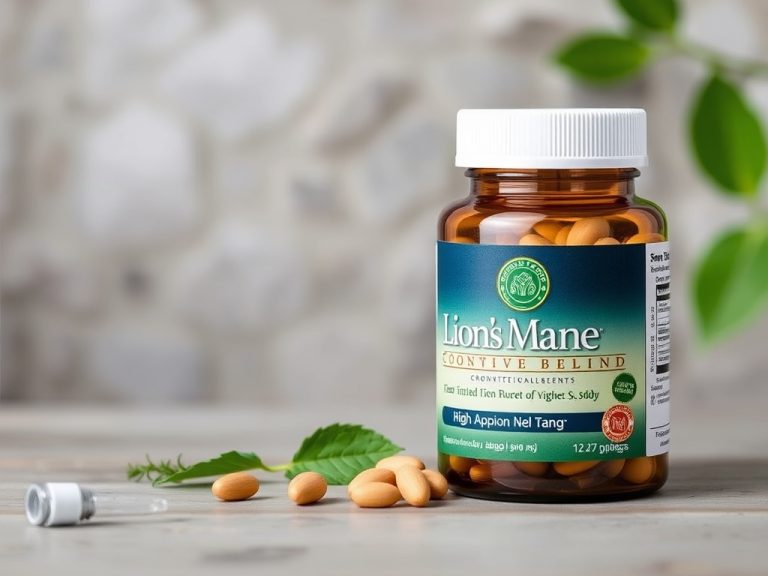
From my research and personal journey, I’ve discovered that some nootropics, such as lion’s mane mushroom, may support neurogenesis and nerve regeneration. I believe that these compounds hold promise for Nootropics Prevent Age Related Memory Loss, especially if used consistently over months or years. I recommend tracking your cognitive responses and adjusting dosages accordingly to optimize benefits.
Have Nootropics Actually Helped My Memory?
In my experience, I’ve seen modest improvements in memory and mental clarity with certain nootropics. I believe that Nootropics Prevent Age Related Memory Loss can be effective for some people, including myself, when used properly. I’ve found that stacking a few nootropics like citicoline and phosphatidylserine, along with lifestyle adjustments, amplifies my mental resilience.
That said, I don’t view nootropics as a magic bullet. I believe their effectiveness depends heavily on factors like genetics, overall health, and consistency. From my experience, I recommend patience and a holistic approach to truly benefit from Nootropics Prevent Age Related Memory Loss. I also stay cautious about over-reliance and avoid expecting overnight results.
Scientific Insights into Nootropics Prevent Age Related Memory Loss
What Does the Science Say?
In my research, I’ve found that the scientific community is increasingly interested in how nootropics can influence aging brains. Studies suggest that certain compounds like piracetam, aniracetam, and even natural herbs like ginkgo biloba may support cognitive functions and possibly slow memory decline. However, I believe that more research is needed to conclusively prove that Nootropics Prevent Age Related Memory Loss in humans.
From what I’ve learned, some clinical trials indicate that specific nootropics could enhance neuroplasticity, improve blood flow, and protect against oxidative stress—all factors that could contribute to maintaining memory with age. While promising, I think it’s essential to recognize individual variability and the importance of combining nootropics with other healthy interventions for optimal results. I recommend staying updated with scientific literature to make informed decisions.
What Are the Limitations?
In my experience, it’s important to acknowledge that nootropics are not a guaranteed safeguard against age-related memory loss. I believe that their effects are often subtle and vary from person to person. Some studies show benefits, but others are inconclusive or show minimal impact. I’ve found that expecting them to fully prevent memory decline may set unrealistic expectations.
From my perspective, I advise anyone interested in Nootropics Prevent Age Related Memory Loss to view them as part of a comprehensive lifestyle strategy. Proper diet, mental exercises, physical activity, and sleep are equally crucial. I recommend consulting healthcare professionals before starting any supplement regimen to understand potential interactions and individual suitability.
Limitations and Considerations
In my experience, I believe that while nootropics offer promising support for Nootropics Prevent Age Related Memory Loss, they are not a silver bullet. The effectiveness can depend on various factors like genetics, existing health conditions, and consistency of use. I’ve learned that managing expectations is key; nootropics can help but are unlikely to fully prevent age-related decline on their own.
I recommend approaching nootropics cautiously, starting with well-researched compounds, and monitoring your cognitive responses. It’s also wise to incorporate lifestyle habits that promote brain health, such as regular exercise, mental stimulation, and stress management. From my perspective, a balanced approach maximizes the potential benefits of Nootropics Prevent Age Related Memory Loss and helps maintain cognitive vitality over time.
References and Resources
Throughout my research on Nootropics Prevent Age Related Memory Loss, I’ve found these resources incredibly valuable for answering questions like ‘Can Nootropics Prevent Age Related Memory Loss’. I recommend checking them out for additional insights:
Authoritative Sources on Nootropics Prevent Age Related Memory Loss
-
Neuroprotective Effects of Nootropics
ncbi.nlm.nih.govThis comprehensive review discusses how various nootropics may protect against cognitive decline and supports the idea that they could be part of a preventive strategy for age-related memory loss.
-
Nootropics and Brain Aging
frontiersin.orgThis article explores the mechanisms by which nootropics may influence neuroplasticity and cognitive resilience in aging populations, providing valuable scientific context for my personal approach.
-
Can Nootropics Help You Age Gracefully?
psychologytoday.comA well-written overview discussing the potential and limitations of nootropics in supporting cognitive health during aging, based on current research and expert opinions.
-
Healthline: Nootropics Guide
healthline.comA thorough guide covering various nootropics, their benefits, and safety considerations, which I find helpful when assessing options for Nootropics Prevent Age Related Memory Loss.
-
Natural Nootropics and Cognitive Aging
ncbi.nlm.nih.govThis research paper highlights the role of natural herbs and supplements in supporting cognitive health, reinforcing my belief that natural nootropics can be part of a preventative approach.
-
Aging and Cognitive Decline
aging-us.comOffers insights into biological mechanisms of aging and potential interventions, including nootropics, to slow down cognitive decline.
-
Neuroprotective Effects of Natural Nootropics
nature.comScientific evidence supporting natural nootropics in neuroprotection, relevant for understanding how they may help in Nootropics Prevent Age Related Memory Loss.

Frequently Asked Questions
Can nootropics really prevent age-related memory loss?
In my experience, nootropics can support brain health and may help slow memory decline when used consistently and combined with healthy lifestyle choices. While they’re not guaranteed to prevent age-related memory loss entirely, I believe they can be valuable tools in a proactive cognitive health plan.
Which nootropics are most effective for preventing memory loss?
I recommend focusing on well-researched options like piracetam, lion’s mane, and citicoline. From my perspective, natural nootropics such as bacopa and omega-3s also play a significant role. I believe that combining these with a healthy lifestyle enhances their effectiveness.
Are there any risks associated with using nootropics for this purpose?
In my experience, I recommend consulting with a healthcare professional before starting nootropics, especially if you have existing health conditions or take medications. While many nootropics are safe when used responsibly, individual reactions vary, and I advise caution and proper research.
Can I combine nootropics with other brain-healthy practices?
Absolutely. In my experience, combining nootropics with physical exercise, mental stimulation, and good sleep creates a synergistic effect that can better support memory and overall cognitive health. I believe a holistic approach is the most effective way to prevent age-related decline.
Does the use of nootropics guarantee prevention of memory loss?
In my opinion, no. While I’ve found that nootropics can be helpful, they’re not a guaranteed method to prevent memory loss. The most effective strategy involves a combination of supplements, lifestyle, and early preventive measures. I recommend realistic expectations and patience.
Conclusion
In conclusion, my research on Nootropics Prevent Age Related Memory Loss has shown that these supplements can be promising tools to support cognitive health as we age. Based on my experience, I believe that when used responsibly and as part of a holistic lifestyle, nootropics may help delay or reduce the severity of age-related memory decline. While they’re not a guaranteed prevention method, I am confident that they can be a valuable addition to a proactive approach to brain health. I hope this guide helps you understand how Nootropics Prevent Age Related Memory Loss can fit into your aging strategy and motivate you to prioritize your cognitive well-being.

Find out more information about “Nootropics Prevent Age Related Memory Loss”
Search for more resources and information: