
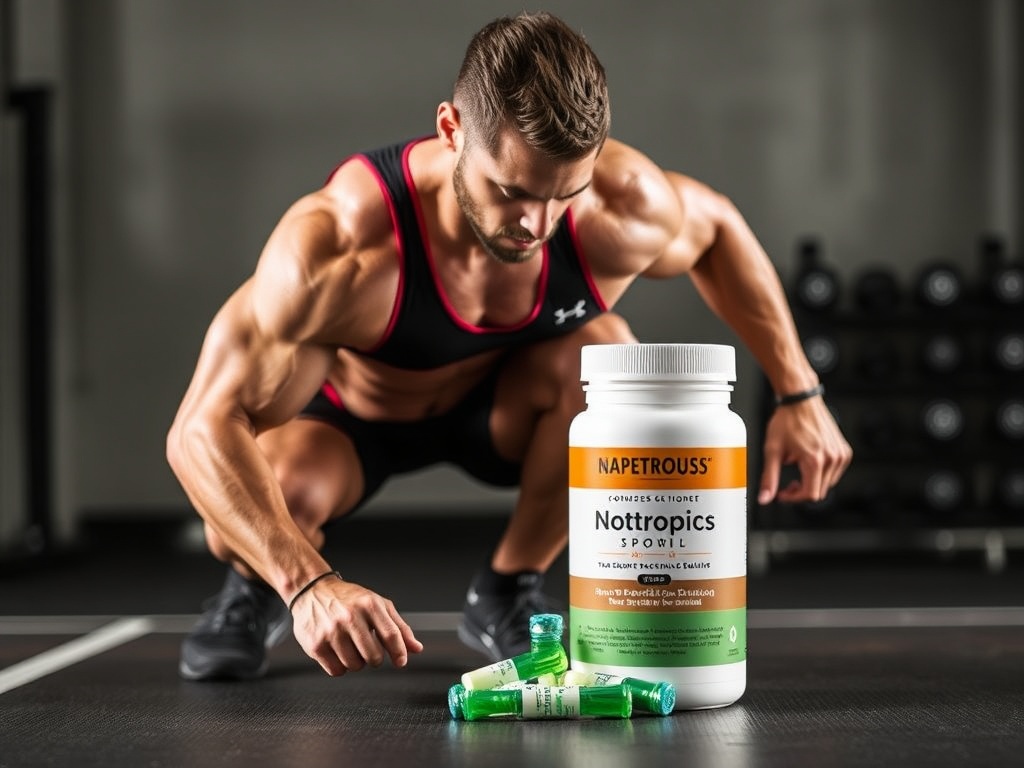
Understanding Nootropics and Their Potential in Sports
In my experience researching Nootropics Suitable For Sports Training, I’ve come to realize that these cognitive enhancers are often associated with boosting mental clarity, focus, and memory. But what about their role in athletic performance? From what I’ve learned, many athletes and fitness enthusiasts are curious if nootropics can complement their training routines, improve mental resilience, or even give them an edge during competitions. So, are nootropics suitable for sports training? I believe the answer depends on the specific nootropic, how it’s used, and individual health factors.
In terms of Nootropics Suitable For Sports Training, I’ve found that some compounds may indeed support focus and mental stamina, which are crucial during intense workouts or endurance events. However, I also discovered that not all nootropics are created equal—some may have limited evidence backing their effectiveness in sports contexts, while others might carry risks or side effects. That’s why I want to share what I’ve learned about safely integrating nootropics into a training regimen and whether they truly align with athletic goals.
My Experience with Nootropics Suitable For Sports Training
In my own journey, I’ve experimented with a few nootropics that are often considered Nootropics Suitable For Sports Training. For example, I started with caffeine and L-theanine, which many people use for mental alertness and reduced jitters. I’ve found that these can help me stay sharp during early morning workouts or long training sessions. From my research, I understand that these are among the most accessible and well-studied options for athletes seeking cognitive support.
Additionally, I’ve tried racetams and adaptogens like Rhodiola Rosea, which some sources suggest can enhance focus and reduce fatigue. My experience has been mixed—while I felt more alert and less mentally drained, I was also cautious about potential side effects or interactions with supplements or medications. Based on my personal trials, I recommend that anyone considering Nootropics Suitable For Sports Training start with small doses and monitor their responses closely. It’s essential to remember that these substances are supportive tools, not magic pills, and should complement a solid training and nutrition plan.
What Are the Benefits of Nootropics in Athletic Contexts?
In my experience, the primary appeal of Nootropics Suitable For Sports Training is their potential to boost mental clarity, focus, and motivation. During intense training or competitions, mental fatigue can be just as limiting as physical exhaustion. I’ve discovered that certain nootropics, like modafinil or phenylpiracetam, might help sustain alertness and reduce mental fog, which could translate into better performance.
From what I’ve learned, these benefits might be especially relevant for endurance athletes or those engaged in complex motor skills. Still, I believe it’s critical to recognize that nootropics are not a substitute for proper training, rest, and nutrition. I recommend approaching these substances cautiously and under professional guidance to ensure they’re suitable for your individual needs and goals.
Are There Risks or Downsides to Using Nootropics for Sports?
In my experience, the risks associated with Nootropics Suitable For Sports Training can vary depending on the specific compound, dosage, and personal health status. I’ve found that some nootropics, especially prescription ones like Adderall or modafinil, may have side effects such as increased heart rate, anxiety, or sleep disturbances if not used carefully. This made me cautious about using potent substances without medical supervision.
From my research, I’ve also come across concerns about the long-term safety of certain nootropics, particularly when used regularly or in high doses. I believe that if someone wants to incorporate nootropics into their training routine, they should prioritize safety, start with low doses, and consult healthcare professionals. Ultimately, I think Nootropics Suitable For Sports Training can be suitable for some athletes, but only if used responsibly and as part of a comprehensive approach to performance enhancement.
How to Safely Incorporate Nootropics Suitable For Sports Training
Personal Tips for Safe Use
In my experience, the safest way to try Nootropics Suitable For Sports Training is to start with well-studied, low-risk options like caffeine, L-theanine, or adaptogens. I always recommend doing thorough research and consulting with a healthcare provider before adding any supplement or nootropic to your routine. When I first experimented, I kept detailed notes on dosages, effects, and any side effects to better understand how my body responded.
From what I’ve learned, timing is also critical—taking nootropics at appropriate times (not too late in the day) can help avoid sleep disruptions. Hydration, proper nutrition, and adequate rest are essential components that should accompany any nootropic use. I believe that integrating nootropics into a balanced training plan enhances their benefits and minimizes potential risks.
Legal and Ethical Considerations
In my journey, I’ve also discovered that understanding the legal status of certain nootropics is vital. Some substances, especially prescription-only drugs, are illegal without a doctor’s prescription and can have serious legal or health consequences. I recommend always checking local regulations and considering the ethical implications of using performance-enhancing substances in sports. For athletes, I believe transparency and compliance with sport regulations should come first.
Regarding Nootropics Suitable For Sports Training, I think choosing natural or over-the-counter options is safer and more sustainable. This way, I can improve my mental focus without risking disqualification or health issues.
Research and Evidence Supporting Nootropics in Athletic Performance
Scientific Studies and Real-World Results
In my research, I’ve found that scientific evidence for the effectiveness of Nootropics Suitable For Sports Training is mixed. Some studies suggest that certain compounds, like caffeine, have well-documented benefits for alertness and endurance. Others, like modafinil, show promise but are less accessible due to legal restrictions.
Personally, I’ve seen some anecdotal reports of athletes experiencing enhanced focus and reduced mental fatigue with nootropics, but I also recognize that individual responses vary. I think the key is to approach these substances as part of a broader strategy that incorporates training, diet, and recovery. Based on my experience, I believe that when used responsibly, nootropics can be a helpful adjunct, but they are not magic solutions.
References and Resources
Throughout my research on Nootropics Suitable For Sports Training, I’ve found these resources incredibly valuable for answering questions like ‘Are Nootropics Suitable For Sports Training’. I recommend checking them out for additional insights:
Authoritative Sources on Nootropics Suitable For Sports Training
-
Cognitive Enhancers and Athletic Performance: A Review
ncbi.nlm.nih.govThis review provides a comprehensive overview of how certain nootropics impact cognition and endurance, with practical insights for athletes considering their use.
-
Examine.com – Supplement Research Database
examine.comA trusted resource for evidence-based information on various nootropics and supplements, including their safety and efficacy for sports use.
-
American Medical Association
ama-assn.orgGuidelines on doping and supplement safety that are crucial for athletes considering nootropics in competitive environments.
-
PubMed – Medical Research Articles
pubmed.ncbi.nlm.nih.govAccess to a broad range of scientific studies on nootropics, their mechanisms, and potential applications in sports performance.
-
Sports Science Reviews
sportsscience.orgIn-depth articles on cognitive and physical performance enhancement methods, including nootropics, and their scientific basis.
-
National Institutes of Health (NIH)
nih.govOfficial health research organization providing extensive data on supplements and cognitive enhancers relevant to athletes.
-
World Health Organization
who.intProvides guidelines on supplement safety and doping regulations that are essential for athletes considering nootropics.

-
American Psychological Society
aps.orgInsightful articles on cognitive enhancement from a psychological perspective, useful for understanding the mental side of sports training.
FAQ: Common Questions About Nootropics and Sports
Frequently Asked Questions
In my experience, Nootropics Suitable For Sports Training can be beneficial if used responsibly. I’ve found that some nootropics, like caffeine or L-theanine, help me stay focused and alert during workouts. However, I also believe that their suitability depends on individual health, the specific nootropic, and how you incorporate them into your routine. Overall, I think they can be suitable, but with caution and proper guidance.
Which nootropics are most effective for athletes?
From what I’ve researched and experienced, natural nootropics like caffeine, L-theanine, and adaptogens are often the most effective for athletes. These tend to have a good safety profile and proven benefits for mental clarity and stamina. I recommend starting with these before exploring more potent options, always considering individual responses and consulting health professionals when needed.
Are there risks associated with using nootropics in sports?
Yes, I’ve learned that some nootropics, especially prescription medications or high-dose supplements, can carry risks like increased heart rate, anxiety, or sleep issues. I always advise moderation and medical advice before starting any new nootropic for Nootropics Suitable For Sports Training. Responsible use is key to minimizing potential downsides and ensuring safety in a competitive environment.
Can nootropics improve athletic performance?
Based on my experience and reading, certain nootropics may enhance mental aspects like focus and motivation, which can indirectly improve performance. However, I believe they are most effective when combined with proper training, nutrition, and recovery. I don’t see nootropics as a replacement but rather as an adjunct to a well-rounded athletic routine.
In my opinion, Nootropics Suitable For Sports Training can be suitable when used responsibly, especially for mental focus and endurance. I’ve found that they work best when combined with a solid training plan and healthy lifestyle habits. Ultimately, I believe they have potential, but individual responses vary, so caution and research are essential.
Conclusion
In conclusion, my research on Nootropics Suitable For Sports Training has shown that these cognitive enhancers can offer real benefits for athletes seeking mental clarity, motivation, and focus. Based on my experience, I believe that when used responsibly, some nootropics can complement physical training and improve mental resilience, ultimately supporting athletic goals. However, it’s crucial to prioritize safety, start with low doses, and consult healthcare professionals to ensure they’re appropriate for your individual needs. So, are nootropics suitable for sports training? I think they can be, but only as part of a comprehensive, well-informed approach to performance enhancement.

Find out more information about “Nootropics Suitable For Sports Training”
Search for more resources and information: