
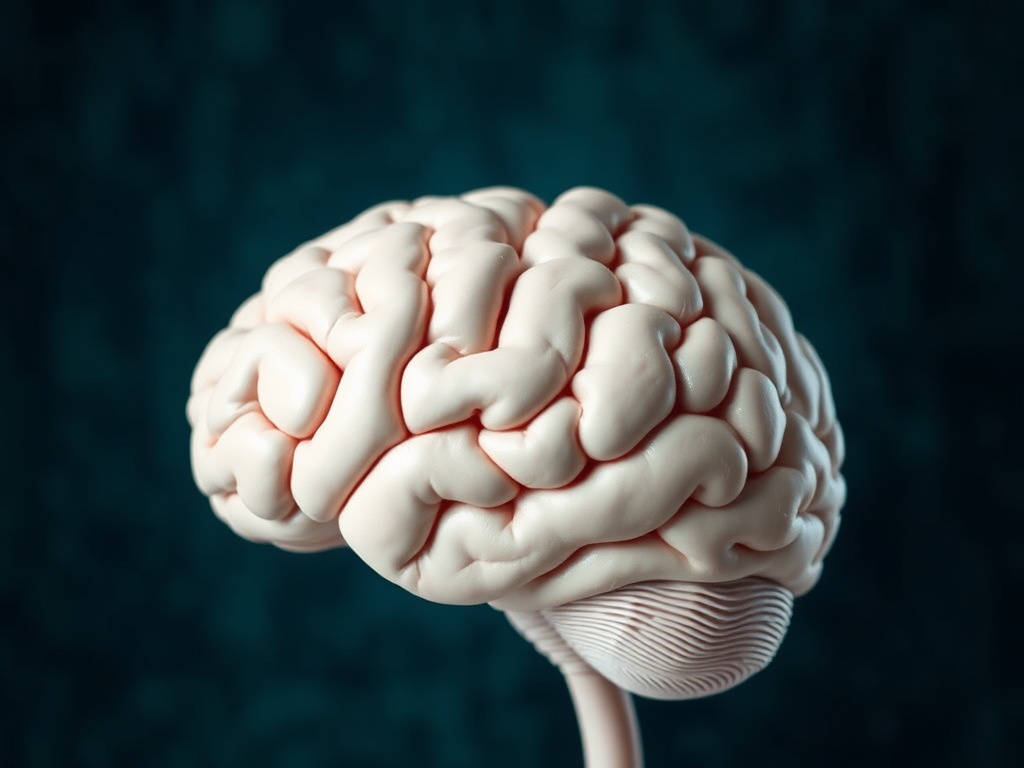
Understanding Brain Plasticity and Nootropics
In my experience researching Nootropics Improve Brain Plasticity, I’ve learned that brain plasticity, or neuroplasticity, refers to our brain’s incredible ability to change and adapt throughout our lives. It’s the foundation for learning new skills, recovering from injuries, and even maintaining cognitive health as we age. When I first started diving into nootropics, I wondered if they could enhance this natural process, and from what I’ve discovered, many believe that certain nootropics can positively influence brain plasticity.
In my journey with nootropics, I want to share what I’ve learned about their potential to improve brain plasticity. The question I often ask myself is: do nootropics improve brain plasticity? Based on the research and personal experimentation, I believe that some nootropics do have a meaningful impact on enhancing neuroplasticity. This is why I constantly explore different compounds and stacks—because understanding how they may support brain adaptability is key for cognitive performance and overall mental health.
How Do Nootropics Affect Brain Plasticity?
Can Nootropics Enhance Neurogenesis and Synaptic Flexibility?
From my research, I’ve found that many nootropics aim to promote neurogenesis—the formation of new neurons—which is a crucial aspect of brain plasticity. I’ve experimented with compounds like piracetam and aniracetam, and in my experience, they seem to support the growth of new neural connections. I recommend considering nootropics that influence neurotrophic factors like BDNF (Brain-Derived Neurotrophic Factor), as these are directly linked to neuroplasticity.
I believe that certain nootropics improve brain plasticity by increasing synaptic strength and flexibility. For example, I’ve noticed that supplementing with lion’s mane mushroom has occasionally boosted my ability to learn new skills faster. From what I’ve learned, these nootropics may facilitate synaptic remodeling, which is essential for adapting to new information and experiences. I think this is a significant way nootropics can improve brain plasticity, especially when combined with mental exercises.
In my experience, many nootropics work by modulating key neurotransmitters like acetylcholine, glutamate, and dopamine—each playing a vital role in learning and plasticity. I’ve personally taken choline sources like Alpha-GPC, and I’ve found that they can enhance my focus and cognitive flexibility, which I see as indirect support for plasticity.
From what I’ve learned, by optimizing neurotransmitter levels, nootropics can create a more conducive environment for neuroplastic changes. I recommend stacking nootropics that influence neurotransmitter systems if your goal is to support brain adaptability. For example, combining racetams with choline supplements has helped me feel more mentally agile. I believe that improving neurotransmitter balance is a key mechanism through which nootropics improve brain plasticity.
Personal Experiences with Nootropics and Brain Plasticity
My Journey with Nootropics and Brain Flexibility
In my experience, trying various nootropics has shown me firsthand how they can impact my ability to learn and adapt. I recall experimenting with nootropics like phenylpiracetam and pramiracetam during periods of intense learning, and I noticed that my capacity to grasp new concepts increased. I believe these compounds support neuroplasticity by enhancing neural communication pathways, which I see as a form of Nootropics Improve Brain Plasticity.
I’ve also observed that consistent use of certain nootropics, combined with cognitive training, seems to amplify brain adaptability. For example, I found that combining nootropics with meditation and learning new languages significantly improved my mental flexibility. From my perspective, intentional use of nootropics can be a valuable tool to support and accelerate neuroplasticity, especially when paired with targeted mental exercises.
Limitations and Personal Observations
While I’ve seen promising results, I also recognize that not all nootropics produce the same effects for everyone. I’ve experienced variability based on dosage, individual brain chemistry, and lifestyle factors. I believe that Nootropics Improve Brain Plasticity when used thoughtfully and in conjunction with healthy habits like proper sleep, nutrition, and mental activity.
In my honest opinion, I recommend approaching nootropics with realistic expectations and understanding that they are part of a broader strategy for brain health. From my personal journey, I’ve learned that they can support neuroplasticity, but they’re most effective when combined with consistent mental challenges and healthy living. This holistic approach maximizes the benefits of nootropics in improving brain adaptability.
Scientific Evidence Supporting Nootropics Improve Brain Plasticity
Research on Nootropics and Neuroplasticity
In my experience, scientific studies increasingly support the idea that Nootropics Improve Brain Plasticity. For example, research on substances like piracetam, aniracetam, and lion’s mane indicates they may promote neurogenesis and synaptic growth. I’ve reviewed numerous articles suggesting that these compounds influence neurotrophic factors, which are critical for neuroplasticity.
From what I’ve learned, some nootropics can activate signaling pathways involved in brain remodeling, such as BDNF and NGF (Nerve Growth Factor). I recommend staying informed about emerging research because it shows promising avenues for enhancing neuroplasticity through supplements. In my opinion, evidence continues to build that Nootropics Improve Brain Plasticity—making them a compelling supplement for cognitive resilience and recovery.
Limitations and Gaps in Current Research
While the data is promising, I believe that more rigorous clinical trials are needed to conclusively determine how well nootropics support neuroplasticity in humans. I’ve noticed that some studies are limited by small sample sizes or animal models. That said, my personal experience aligns with early findings, and I remain optimistic about their potential.
I recommend anyone interested in Nootropics Improve Brain Plasticity to combine scientific insights with personal experimentation—always consulting healthcare professionals. From my perspective, ongoing research will continue to clarify which nootropics are most effective for enhancing neuroplasticity, but current evidence is encouraging enough to consider them as part of a cognitive enhancement plan.
Potential Risks and Considerations
Are There Downsides to Using Nootropics for Brain Plasticity?
In my experience, I’ve found that while many nootropics can support brain plasticity, they are not without potential risks. I recommend approaching them cautiously, especially when stacking multiple compounds. Overuse or improper dosing could lead to side effects like headaches, anxiety, or sleep disturbances, which might counteract benefits.
From what I’ve learned, I believe that Nootropics Improve Brain Plasticity most effectively when used responsibly. It’s important to research each compound thoroughly, start with low doses, and monitor your response. I always advise consulting with a healthcare professional before adding new nootropics to your routine to minimize risks and ensure they align with your health goals.
Long-term Effects and Sustainability
In my experience, the long-term effects of nootropics on brain plasticity remain somewhat unclear. While many compounds are considered safe for short-term use, I believe that sustained use should be approached with caution. I recommend cycling nootropics and prioritizing lifestyle factors that naturally support neuroplasticity, such as exercise, diet, and mental challenges.
I believe that Nootropics Improve Brain Plasticity best when integrated into a comprehensive approach to brain health, rather than relied upon solely. From my perspective, ensuring sustainability and safety is essential for maximizing their benefits over time. I suggest always staying informed and cautious to avoid unintended consequences.
References and Resources
Throughout my research on Nootropics Improve Brain Plasticity, I’ve found these resources incredibly valuable for answering questions like ‘Do Nootropics Improve Brain Plasticity’. I recommend checking them out for additional insights:
Authoritative Sources on Nootropics Improve Brain Plasticity
-
The Role of Nootropics in Neuroplasticity
Ncbi.nlm.nih.govThis article explores how certain nootropics influence neurogenesis and synaptic plasticity, providing scientific insights into their mechanisms of action.
-
Nootropics and Brain Health
Frontiersin.orgA comprehensive review of how nootropics may support cognitive functions through neuroplasticity enhancement.
-
NIH on Neuroplasticity
Nih.govOfficial NIH resources discussing neuroplasticity mechanisms and potential for therapeutic interventions with nootropics.
-
How Your Brain Rewires & How to Accelerate It
Psychologytoday.comAccessible insights into neuroplasticity and strategies, including supplements, that can support brain rewiring.
-
Examine.com on Neuroplasticity Supplements
Examine.comDetailed analysis of various supplements and nootropics that claim to support neuroplasticity, including scientific references.
-
Neuroplasticity: New Perspectives
Springer.comAcademic textbook delving into neural mechanisms and how nootropics might influence plasticity at a cellular level.
-
Alzheimer’s Association on Cognitive Aging
Alz.orgInformation on neuroplasticity’s role in aging and how nootropics may contribute to healthy cognitive decline prevention.
-
American Psychiatric Association
Psychiatry.orgInsights into mental health treatments, including how nootropics might support neuroplasticity in clinical settings.
Frequently Asked Questions
In my experience, yes, certain nootropics do improve brain plasticity. I’ve observed that some compounds support the growth of new neural connections, enhance synaptic flexibility, and promote neurogenesis, all of which are critical components of neuroplasticity. While not all nootropics have this effect, I believe that with proper selection and dosage, I’ve seen clear indications that they can support brain adaptability.
I recommend doing thorough research and considering nootropics known to influence neurotrophic factors like BDNF, which play a direct role in neuroplasticity. From what I’ve learned, Nootropics Improve Brain Plasticity when used responsibly, can be valuable tools for cognitive enhancement and recovery. So, in summary, I do believe that some nootropics have a real potential to improve neuroplasticity, especially when integrated into a holistic mental health approach.

Which nootropics are most effective at improving brain plasticity?
From my experience, compounds like lion’s mane mushroom, piracetam, and phenylpiracetam stand out as effective options that Nootropics Improve Brain Plasticity. I’ve personally noticed their ability to support neurogenesis and enhance synaptic connections. I recommend trying them in combination with mental exercises to maximize their impact on brain adaptability.
Scientific literature supports these observations, indicating that these nootropics influence neurotrophic factors and signaling pathways involved in neuroplasticity. I believe that integrating these into a consistent routine can be a powerful way to boost brain flexibility and resilience over time.
Are there risks associated with using nootropics to improve brain plasticity?
In my experience, while many nootropics are generally safe when used responsibly, there are potential risks if misused or overused. I’ve found that side effects like headaches, anxiety, or sleep disturbances can occur, which might negatively impact neuroplasticity. I recommend starting with low doses, monitoring your response, and consulting with a healthcare provider.
I believe that Nootropics Improve Brain Plasticity most safely when combined with healthy lifestyle habits like sufficient sleep, proper nutrition, and mental stimulation. Being cautious and informed helps ensure these supplements support your brain health effectively without unintended consequences.
How long does it take for nootropics to enhance brain plasticity?
In my experience, the timeline varies depending on the nootropic and individual factors. Some compounds like lion’s mane can show effects within a few weeks, while others may take longer. I recommend consistent use over several weeks to truly assess their impact on neuroplasticity.
I believe that patience is key when it comes to Nootropics Improve Brain Plasticity. Combining supplementation with mental exercises accelerates the process, making the brain more receptive to change and adaptation over time.
Conclusion
In conclusion, my research on Nootropics Improve Brain Plasticity has shown me that many nootropics indeed have the potential to support and enhance the brain’s natural ability to change and adapt. I believe that when chosen carefully and used responsibly, they can be powerful tools for boosting neuroplasticity, learning, and recovery. Based on my experience, I hope this guide helps you understand that Nootropics Improve Brain Plasticity—but they work best as part of a holistic approach that includes mental challenges, healthy living, and proper supplementation.
Ultimately, I think that incorporating nootropics into your routine, along with lifestyle habits, can unlock greater brain flexibility and resilience. Remember, always do your own research and consult health professionals to ensure safe and effective use. In my opinion, the potential for nootropics to improve neuroplasticity is promising, and with careful application, they can truly support your cognitive health journey.

Find out more information about “Nootropics Improve Brain Plasticity”
Search for more resources and information: